
Thymelaea lythroides
Thymelaea lythroides
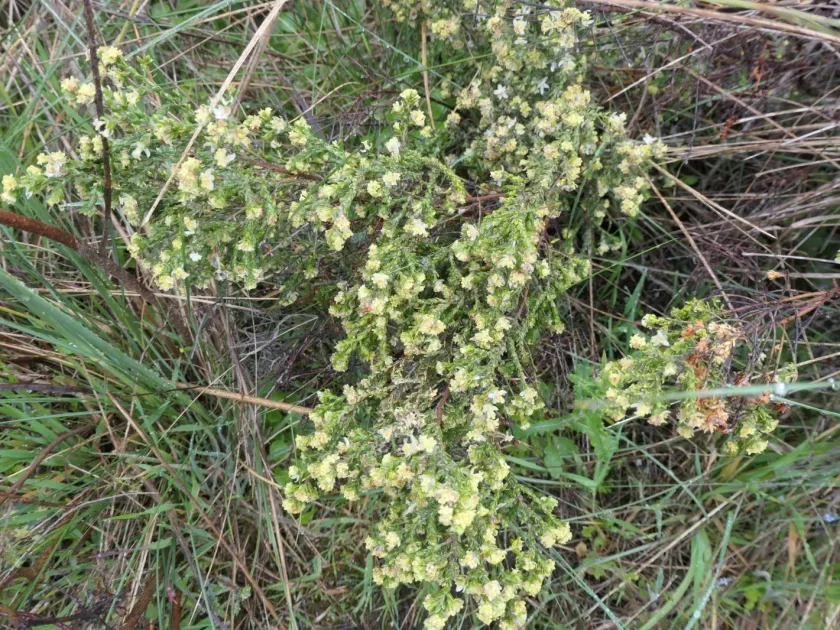
Description
Growing requirements
Thymelaea lythroides is a specialized plant species belonging to the Thymelaeaceae family. As a perennial subshrub, it has evolved to thrive in environments where most typical agricultural crops would fail due to severe water limitations.
Originating from arid zones of the Mediterranean and Western Asia, this plant is well-adapted to extreme thermal fluctuations and low precipitation levels. Its natural distribution is tied to rocky and skeletal soils typical of dry hillsides.
The cultivation requirements for this species are strict regarding soil permeability. It demands extremely well-drained, alkaline, or limestone-rich substrates to prevent root decay. Full sun exposure is non-negotiable for its vegetative health.
Botanically, the plant is characterized by its xerophytic features, such as reduced leaf surface area and a high density of protective trichomes. These adaptations ensure survival during prolonged droughts and maintain metabolic efficiency in heat.
In terms of хозяйственное usage, Thymelaea lythroides is primarily studied for its secondary metabolites which possess medicinal potential. Additionally, its robust root structure makes it an interesting candidate for ecological projects focusing on preventing soil erosion in arid landscapes.