
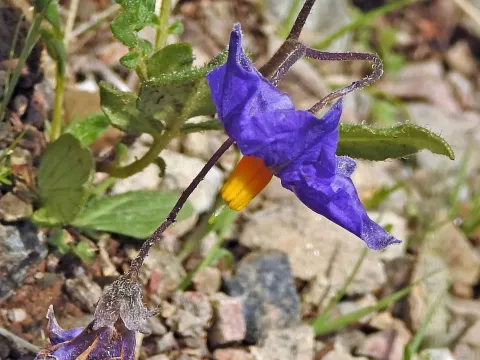
Solanum brevicaule
Solanum brevicaule
Solanum brevicaule is not a commercial agricultural crop and is maintained primarily in germplasm banks and botanical research facilities.
What the section contains
Solanum brevicaule
Propagation is generally performed through seeds collected from wild populations, requiring specific germination protocols to break seed dormancy.
Sowing in experimental settings is typically carried out during spring to capitalize on increasing day length and moderate temperatures.
Professional greenhouses utilize sterilized peat-based media to ensure that germinating seedlings are protected from soil-borne pathogens.
Controlled environments are essential to maintain the genetic integrity of this species, preventing cross-pollination with other Solanum species during the propagation phase.
Belonging to the Solanaceae family, Solanum brevicaule is a wild potato relative native to the high-altitude Andes mountains in South America.
The species thrives in rocky, well-drained soils with low organic matter content, reflecting its adaptation to mountainous ecological niches.
It requires a climate with high UV exposure, cool daytime temperatures, and a significant drop in temperature during the night cycle.
Adequate soil aeration is critical, as the species is highly sensitive to root asphyxiation caused by waterlogged or compacted growing media.
Agricultural management for research purposes focuses on mimicking its natural highland environment through precise irrigation and ventilation cycles.
Late blight (Phytophthora infestans) remains the most significant pathological threat to Solanum brevicaule, particularly in environments with high humidity.
Insect pests, including aphids and the potato tuber moth, pose substantial risks to plants in both greenhouse and field research conditions.
Root-knot nematodes can severely inhibit development, making soil sterilization or the use of inert substrates mandatory in nursery setups.
Viruses are major constraints, necessitating strict sanitation protocols to ensure the longevity of the genetic material in storage facilities.
Breeding programs prioritize this species precisely because of its natural resistance to specific strains of pathogens, serving as a critical genetic resource.