
Solanum atropurpureum
Solanum atropurpureum
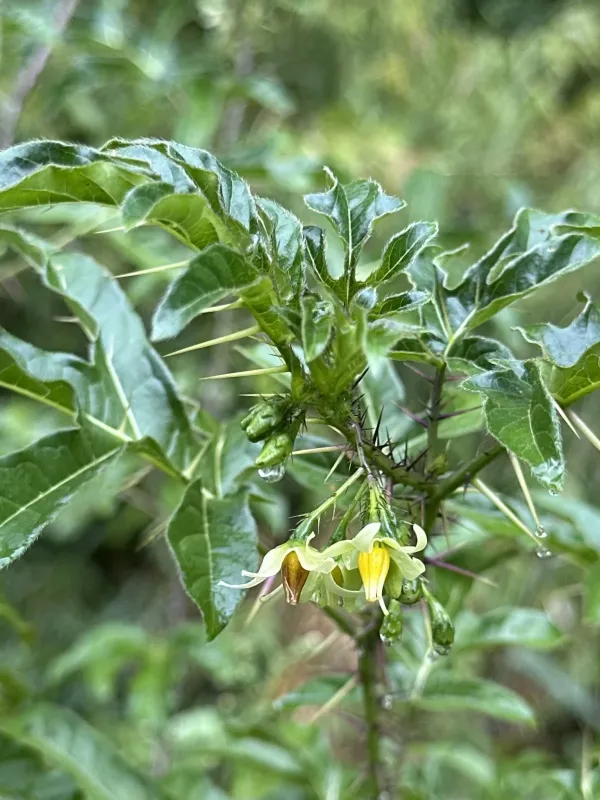
Description
Sowing dates
Seeds of Solanum atropurpureum are typically sown in early spring. Optimal germination occurs when soil temperatures are consistently maintained between 18 and 22 degrees Celsius.
For indoor propagation, seeds should be placed in well-drained starter trays using a light potting mix. Covering them with a thin layer of soil helps maintain the necessary humidity for successful sprouting.
Transplanting seedlings to the garden should only occur after all risks of frost have passed, as this species is highly sensitive to cold weather conditions.
When sowing directly into the ground, ensure the area is well-prepared and free from weeds to allow the young plants to establish their root systems without competition.
Spacing is essential; providing at least 60 centimeters between individual plants encourages airflow and prevents the development of fungal diseases during the growth season.
Growing requirements
Solanum atropurpureum, a member of the Solanaceae family, requires a full-sun location to thrive. Its unique foliage and thorny stems develop best when exposed to direct light.
The soil should be fertile, loose, and slightly acidic to neutral. Adding compost or well-rotted manure during site preparation significantly boosts the overall health of the plant.
Consistent moisture is key for healthy growth. While the plant is somewhat drought-tolerant once established, regular irrigation is necessary during dry spells to maintain vigour.
Adequate drainage is paramount. Standing water around the root zone will quickly lead to root rot, which is a common failure point for this ornamental nightshade.
Occasional pruning may be required to maintain the desired shape and size, especially if the plant is being used as a decorative element in a landscape design.
Main diseases and pests
Spider mites are a common threat, particularly in dry and hot environmental conditions. Regular monitoring of the foliage is essential to detect early infestations.
Aphids can frequently attack the tender new growth of the plant, potentially causing leaf curling and reduced decorative quality if not managed promptly.
Fungal diseases like late blight are potential risks, especially in regions with high humidity or frequent rainfall, requiring protective fungicide applications.
Root pathogens can also cause issues if the irrigation regime is poorly managed, leading to plant wilting even when the soil appears damp.
- Regular inspection of the leaf underside.
- Applying insecticidal soaps at the first sign of pests.
- Ensuring proper spacing to facilitate natural air circulation.