
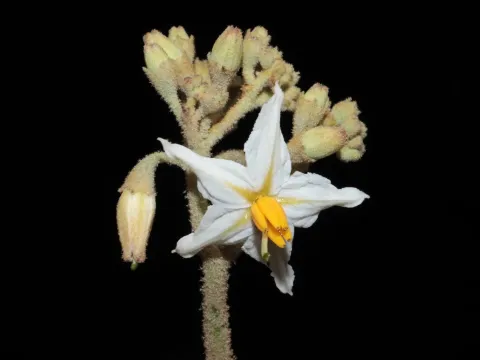
Solanum asperolanatum
Solanum asperolanatum
Solanum asperolanatum is a distinct member of the Solanaceae family, known for its unique botanical profile and chemical composition. As a herbaceous perennial, it plays a specific role in specialized industrial and pharmaceutical agriculture.
What the section contains
Solanum asperolanatum
The plant thrives in tropical and subtropical environmental conditions, requiring high heat accumulation and substantial exposure to sunlight. It is sensitive to extreme temperature drops and performs best in stable, frost-free growing seasons common in its native range.
For optimal results, the plant requires well-drained, fertile soil with a light texture that allows for efficient root respiration. While it adapts to a variety of soil types, maintaining a slightly acidic to neutral pH level is considered standard practice for commercial cultivation.
Effective management includes systematic weeding to reduce resource competition and consistent moisture control. Because the species is a high-value crop, field maintenance often involves precise nutrient scheduling, focusing on secondary nutrients that support specialized plant metabolism.
The primary economic focus for Solanum asperolanatum is the extraction of steroidal glycoalkaloids. These compounds are fundamental ingredients for the synthesis of complex medication, making the species a subject of interest for both researchers and pharmaceutical growers.
Like many species in the nightshade family, this plant is vulnerable to common agricultural pests such as beetles and aphids. Integrated pest management (IPM) strategies, including biological control agents, are often employed to mitigate damage to the foliage and stems.
Fungal diseases like blight and various root rots present a significant risk during periods of high humidity or poor soil drainage. Agronomists recommend monitoring field conditions closely and applying preventative treatments to ensure the longevity and health of the crop cycle.