
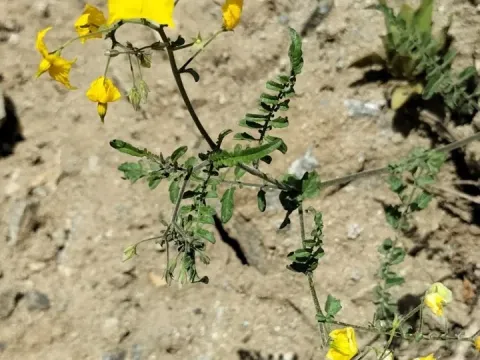
Solanum arcanum
Solanum arcanum
Solanum arcanum is a wild species, and therefore it does not follow the standard commercial sowing dates established for cultivated tomatoes. In its natural environment, seeds germinate at the beginning of the rainy season, which provides optimal moisture for seedling development.
What the section contains
Solanum arcanum
When used for breeding purposes, seeds of this species require scarification or soaking in growth stimulants to overcome biological dormancy. Sowing in greenhouse or laboratory conditions is recommended in early spring to ensure a sufficient growing season.
An important factor during sowing is temperature control: seeds germinate best at stable temperatures between 22 and 25 degrees Celsius. Substrate chilling during germination can cause embryo mortality or significantly delay seedling emergence.
The sowing depth should not exceed 0.5–1 centimeter. Small seeds require surface placement and protection from desiccation of the topsoil using specialized cover materials.
Seedlings of this species develop slower than those of cultivated tomato varieties, so additional artificial lighting is necessary. An optimal photoperiod for normal plant development is 14–16 hours per day.
Solanum arcanum belongs to the Solanaceae family and is a close relative of the common tomato. This species originates from the high-altitude and arid regions of Peru, which determines its high adaptability to environmental stressors.
The plant prefers well-drained, light-textured soils with a neutral or slightly acidic pH. In its natural habitat, it is found on rocky slopes, which indicates a high requirement for root system aeration.
This crop demonstrates significant drought tolerance; however, in controlled environments, moderate irrigation is required to obtain high-quality biological material. Excessive soil moisture is a critical risk factor that encourages root rot development.
Temperature requirements include high amplitude of diurnal fluctuations, typical for its native range. The plant can withstand lower nighttime temperatures than commercial varieties, provided there is no frost.
Solanum arcanum is actively used in modern plant breeding as a source of genes for resistance to biotic and abiotic stresses. Its genetic potential allows for the improvement of fruit quality and the hardiness of commercial tomato hybrids.
Common diseases for this species include fungal infections typical of all Solanaceae, including late blight and early blight. Under greenhouse conditions, the plant is susceptible to powdery mildew when humidity levels are high.
Among pests, the greenhouse whitefly and spider mites pose the greatest threat. These insects reproduce rapidly when temperature regimes are unstable and room ventilation is insufficient.
Aphids can also act as vectors for viral diseases to which this wild species may show varying degrees of susceptibility. Monitoring pest populations is a mandatory element of crop management.
Soil-dwelling nematodes can infest the root system of Solanum arcanum, reducing the overall vitality of the plant. Using sterilized soil mixes significantly lowers the risk of infestation during the early growth stages.
Disease prevention involves maintaining spatial isolation from other Solanaceae and ensuring optimal ventilation. Fungicide application must be strictly regulated to preserve the natural traits of this wild species.
Harvesting Solanum arcanum fruits has no commercial value due to their small size and specific taste. The fruits are used exclusively to obtain seed stock for breeding and research programs.
Harvesting is performed selectively, as seeds reach biological maturity. Ripe fruits acquire a characteristic color and become soft, which signals the beginning of the harvesting window.
To ensure seed purity, it is important not to let the fruits over-ripen on the plant, as this can lead to fruit cracking and an increased risk of secondary infection. Timely collection guarantees high seed germination rates.
After collection, the fruits must undergo a fermentation process to effectively separate the seeds from the pulp. This stage requires careful control to prevent premature seed germination inside the fruit.
Cleaned seeds are thoroughly washed and dried in the shade with good ventilation. Storage is performed in paper envelopes at low temperatures and reduced humidity, which maintains seed viability for several years.