
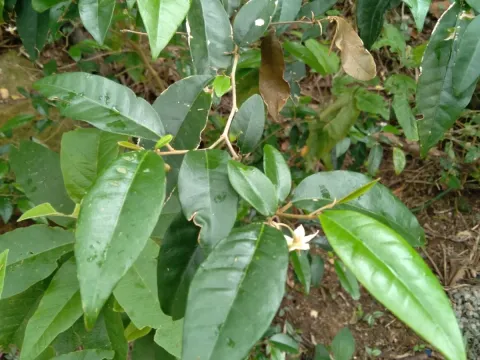
Solanum argenteum
Solanum argenteum
Solanum argenteum is a perennial evergreen shrub belonging to the Solanaceae family. Originating from the tropical regions of South America, this species has adapted to warm, humid environments, often occupying forest edges or open sunny areas within its native range.
What the section contains
Solanum argenteum
Botanically, the plant is distinguished by its striking silver-pubescent foliage, which creates a metallic shimmer under sunlight. The stem structure is semi-woody, allowing the plant to maintain a upright habit that can reach impressive heights if provided with adequate space and light.
Agricultural requirements focus on well-draining, nutrient-rich soil with a slightly acidic to neutral pH. Proper soil structure is critical for this species, as its roots are prone to oxygen deprivation and rot if the substrate becomes waterlogged or overly compacted during the wet season.
The plant thrives in a stable thermal environment, ideally between 22°C and 28°C. Being sensitive to frost, Solanum argenteum requires greenhouse cultivation or climate-controlled environments in temperate regions, where it is valued for its unique aesthetic contribution to botanical collections.
Its primary use is ornamental and scientific; it serves as a fascinating example of morphological adaptation in the Solanum genus. Researchers also investigate the plant for potential biochemical applications, as many plants in the nightshade family are known for producing complex secondary metabolites.
The plant is frequently targeted by spider mites and whiteflies, especially in indoor environments with low humidity. These pests feed on the underside of the leaves, potentially causing stunted growth and chlorosis if left untreated by appropriate biological or chemical interventions.
Fungal pathogens such as Phytophthora are the primary concern for Solanum argenteum, often triggered by excessive irrigation or lack of air circulation. Maintaining a strict sanitation protocol and ensuring optimal drainage are the most effective strategies to prevent systemic fungal outbreaks.