
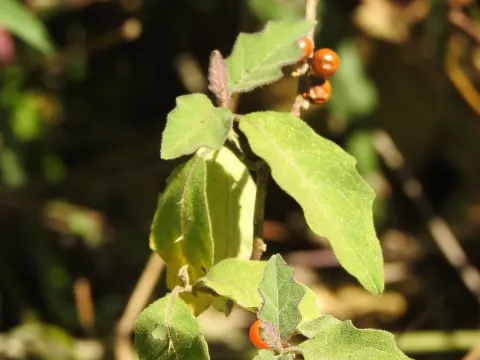
Solanum anguivi
Solanum anguivi
Solanum anguivi, often referred to as African eggplant or bitter tomato, belongs to the Solanaceae family. Seeds should be started in trays or greenhouses 6 to 8 weeks before the intended transplanting date to ensure a vigorous start, as initial growth is relatively slow.
What the section contains
Solanum anguivi
The optimal germination temperature ranges between 25 and 28 degrees Celsius. Consistent moisture is required, but the substrate must be well-drained to prevent damping-off, a common issue in Solanaceae seedlings.
Seedlings should be moved to the field only after the threat of frost has passed and the soil has sufficiently warmed. This crop thrives in sunny locations protected from strong winds that can damage the developing branches.
Planting density should provide 60 to 80 centimeters of space between plants to allow for significant lateral branching and to ensure adequate airflow, which is essential for disease prevention.
Pre-soaking seeds or using growth-promoting agents before sowing can lead to more uniform germination, providing a head start for the plants before they are established in permanent beds.
This crop requires fertile, well-drained soil with a slightly acidic to neutral pH. Loamy soils rich in organic matter are ideal, as they provide the necessary nutrients and water retention required for sustained growth.
Solanum anguivi is a heat-loving plant that demands long, warm days to reach its full productive potential. Fluctuations in temperature can lead to flower drop, which negatively impacts the final yield.
Regular irrigation is vital throughout the growing season, especially during fruit set. However, practitioners must ensure that the root system is not left in waterlogged conditions, as this significantly increases the risk of root rot.
Fertilization with balanced NPK fertilizers is recommended, specifically increasing phosphorus and potassium levels during the flowering phase to support fruit development and quality.
Mulching is a highly effective practice for weed control and moisture preservation. It keeps the root environment stable and prevents the soil from overheating during peak summer temperatures.
Yield potential is highly dependent on climate and management practices. In optimal conditions, a single well-tended plant can produce a significant amount of fruit, which are typically small and often bitter due to high alkaloid content.
The culinary value of these fruits varies, but they are highly prized in traditional dishes throughout Africa. Their bitterness is considered an essential flavor profile, which can be mellowed through careful preparation and boiling.
Selection of specific cultivars is crucial, as some strains have been bred for higher yields and larger fruit sizes compared to wild types, making them more attractive for commercial or semi-commercial farming.
Continuous harvesting of mature fruit is necessary to keep the plant productive. If fruits are left to over-ripen on the vine, the plant may decrease its overall flowering and fruit production capacity.
When managed properly, the harvest window can extend for several months, providing a continuous supply of fresh produce until the end of the growing season or the onset of cold weather.
Solanum anguivi faces challenges from standard Solanaceae pests, including the Colorado potato beetle, aphids, and spider mites. These pests can rapidly defoliate plants if not monitored and treated early.
Fungal pathogens like late blight and root rots are major threats, particularly in high humidity. Proper field sanitation and avoiding overhead irrigation can significantly reduce the incidence of these diseases.
Viral diseases, which are often spread by insect vectors, can devastate entire fields. Therefore, maintaining strict control over insect populations is a fundamental component of the integrated pest management plan.
Crop rotation is strictly advised; avoid planting Solanum anguivi in soil previously occupied by potatoes, tomatoes, or other eggplants to prevent the build-up of soil-borne pathogens and nematodes.
Proactive use of authorized fungicides and regular scouting for symptoms are essential to keep the crop healthy. Removing and destroying infected plant debris is necessary to stop the spread of infection.
Harvesting is performed when fruits reach their maturity stage, which is usually identified by a characteristic color change. Picking the fruits at the right time ensures they maintain the desired texture and nutrient content.
Using a sharp tool like pruning shears is essential for clean cuts, which minimizes tissue damage. Since the stems can be delicate, pulling the fruits by hand is discouraged as it often leads to plant injury.
Once harvested, the produce should be handled carefully to avoid bruising. The skin of these fruits is sensitive, and damage can lead to rapid deterioration and decreased shelf life after harvest.
Storage should be in a cool, well-ventilated environment away from direct sunlight. While they are best consumed fresh, proper post-harvest handling can help keep them in good condition for a short period.
Sorting by size and ripeness during the harvest process allows growers to satisfy different market or culinary requirements, as maturity levels can drastically change the bitterness and texture of the final product.