
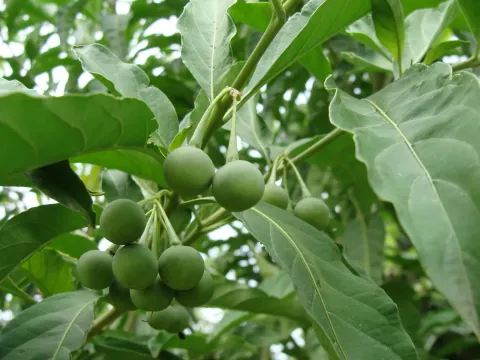
Solanum aphyodendron
Solanum aphyodendron
Solanum aphyodendron is a specialized member of the Solanaceae family, adapted to survive in specific arid environments through unique morphological traits.
What the section contains
Solanum aphyodendron
The optimal sowing period for this crop is when soil temperatures reach a consistent level above 16-18 degrees Celsius, which supports rapid germination and early development.
In temperate zones, sowing is typically initiated in mid-spring to ensure that the vegetative growth phase occurs during the period of peak solar radiation and heat.
Seed depth should be carefully managed to avoid burying the seeds too deep, which could cause energy depletion before the seedling reaches the soil surface.
Proper spacing between seeds is essential to allow for adequate air circulation, which is a vital factor in maintaining the overall health and vigor of the plants.
This crop demands high light intensity throughout the growing season and performs best in locations that receive full sun for the majority of the daylight hours.
Well-drained, sandy-loam soils are ideal for Solanum aphyodendron, as they prevent the waterlogging that is extremely detrimental to its root system architecture.
Fertilization regimes must prioritize potassium to support the physiological resistance of the plant to environmental stresses and to promote balanced metabolic activity.
Water management is critical; while the plant shows drought tolerance, controlled irrigation is necessary during the fruit-set phase to ensure potential yield stability.
Consistent soil temperature management via mulching can help maintain the root environment within the optimal range for nutrient uptake and steady physiological development.
Root rot, often caused by pathogenic fungi such as Phytophthora or Pythium species, remains the most significant threat to the survival of the crop in poorly drained fields.
Insect pests, specifically sap-sucking insects like aphids and mites, can severely stunt plant growth and act as vectors for complex viral diseases that ruin the crop.
Integrated pest management strategies are recommended, combining mechanical weeding with biological controls to maintain the integrity of the plant tissues throughout the cycle.
Fungicidal applications should be utilized as a preventative measure rather than a curative one, especially during seasons with unusually high relative humidity.
Regular scouting of field margins and interior rows allows for the early detection of pest populations before they reach economic injury levels and require broad-spectrum treatment.