
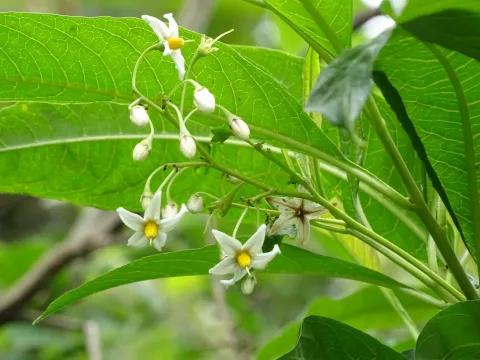
Solanum aligerum
Solanum aligerum
The sowing process for Solanum aligerum should begin in late winter to ensure a robust seedling development before the warmer season arrives.
What the section contains
Solanum aligerum
Seeds require a warm environment for germination, with optimal soil temperatures maintained between 20 and 22 degrees Celsius in a sheltered location.
Using seed starter trays allows for better control over the germination process and ensures that seedlings are easier to transplant without root shock.
Hardening off the plants is a critical step, which involves gradually exposing them to outdoor conditions before the final planting in the soil.
Optimal spacing is essential for this species to allow adequate airflow, which prevents the development of fungal pathogens and promotes uniform growth.
As a member of the Solanaceae family, Solanum aligerum requires full sun exposure and well-drained, nutrient-rich soil to thrive effectively.
This crop is highly sensitive to cold and frost, meaning it must be planted only when night temperatures are consistently above 15 degrees Celsius.
Consistent moisture is key; the plant does not tolerate drought well, yet it also suffers in waterlogged conditions that may lead to root rot.
Soil pH should ideally range from slightly acidic to neutral to ensure the plant can efficiently uptake necessary macro and micronutrients.
Regular fertilization with organic compost or balanced synthetic fertilizers helps maintain vigor and productivity throughout the long growing season.
The yield of Solanum aligerum depends significantly on the environmental stability and the precision of the applied agricultural management practices.
Healthy plants under optimal conditions are capable of producing a consistent output of fruit, which can be harvested over several weeks.
The plant’s biological resilience allows it to adapt to various growing mediums, provided that temperature and water requirements are met.
Maximizing yield often involves pruning and supporting the stems to ensure that the plant redirects its energy into fruit production rather than vegetative growth.
Consistent crop management ensures that the fruit maintains high quality, which is essential for both fresh consumption and further industrial processing.
Typical threats for Solanum aligerum include common nightshade pests such as aphids, spider mites, and the notorious Colorado potato beetle.
Fungal diseases like late blight and early blight pose significant risks, especially in humid conditions with poor ventilation between plants.
Implementing an integrated pest management strategy, including the use of biological control agents, is recommended for sustainable production.
Proper sanitation, including the removal of infected debris and weeds, acts as a primary defense against the spread of soil-borne pathogens.
Regular monitoring of the foliage and stems allows producers to address infestations before they escalate and impact the overall crop quality.
Harvesting should be performed carefully once the fruits reach the desired maturity stage, as indicated by their color change and texture.
Collecting the fruit during the early morning hours is ideal to maintain freshness and prevent rapid dehydration after picking.
Mechanical damage should be avoided during the harvest process to extend the shelf life and preserve the aesthetic appeal of the produce.
Storage should take place in a cool, dark, and well-ventilated environment to minimize moisture loss and degradation of the fruit quality.
Systematic harvesting prevents over-ripening on the plant, which helps conserve the plant's energy and encourages a longer overall fruiting period.