
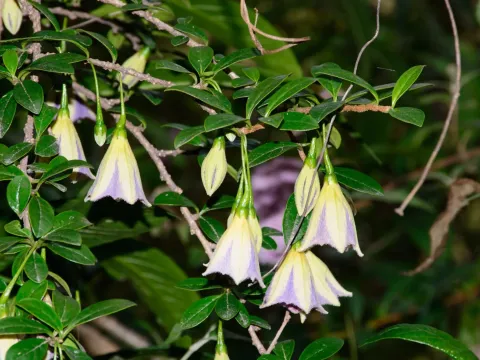
Saracha
Saracha Ruiz & Pav.
Sowing Saracha in temperate climates is recommended at the end of winter or early spring under cover. Successful seed germination requires a stable temperature range of 20–22 degrees Celsius.
What the section contains
Saracha
Preliminary seed treatment includes soaking in growth stimulants, which enhances germination energy. Sowing is carried out in light, nutrient-rich substrate at a depth of no more than one centimeter.
Seedling transplanting is performed during the development of two true leaves. The plant is highly sensitive to root system damage, so using peat pots is preferred.
Transplanting hardened seedlings into open ground is only possible after the threat of late frosts has completely passed. The optimal planting pattern is 50 by 50 centimeters to ensure adequate ventilation.
In regions with short summers, growing this crop is effective only in greenhouse conditions or orangeries to extend the vegetation period.
Saracha belongs to the Solanaceae family, which determines its specific cultivation requirements. The plant prefers sunny, sheltered areas with fertile loamy soil.
The crop is highly demanding regarding substrate moisture levels but cannot tolerate waterlogging in the root zone. Watering must be moderate yet regular, especially during the active flowering phase.
Optimal development requires soil with a neutral or slightly acidic reaction (pH 6.0–7.0). Excessive soil acidity negatively affects micronutrient uptake and overall biomass production.
The plant is heat-loving, so growth slows significantly during sharp drops in nighttime temperatures. The optimal temperature regime for vegetation is between 18 and 25 degrees Celsius.
Fertilizers are applied in stages: nitrogen-based ones are preferred at the initial stage, while potassium-phosphorus compounds are used during the flowering phase to improve fruit quality.
The primary pests for Saracha are members of the Solanaceae family, such as the Colorado potato beetle and various aphid species. Regular inspection of the leaf undersides allows for timely detection of infestation sites.
Diseases characteristic of Solanaceae also pose a serious threat to this crop. These include late blight, fusarium wilt, and alternaria, which occur under conditions of high humidity and poor ventilation.
Disease prevention includes adhering to crop rotation, where Saracha is not returned to the same spot for at least 3–4 years. It is important to avoid close proximity to potatoes or tomatoes.
If signs of fungal infections appear, systemic fungicides are used. The application of biological preparations is preferred during the fruit set period.
Weed control is mandatory, as weeds can act as reservoirs for viral infections that affect Saracha, such as tobacco mosaic virus.
Harvesting is performed selectively as the fruits reach full maturity. The degree of ripeness is determined by the color change of the calyx and the softness of the fruit upon light pressure.
Saracha fruits require careful handling during the harvest process, as their skin is prone to mechanical damage. The use of soft-bottomed baskets is highly recommended.
After harvesting, the produce should be cooled promptly to extend shelf life and prevent the development of rotting processes within the fruits.
In some cases, harvesting at the technical maturity stage is possible if long-distance transportation is planned.
The total harvest period may span several weeks, which is determined by the biological characteristics of the plant's flowering and fruit formation patterns.