
Salpiglossis hybrids
Salpiglossis hybrids
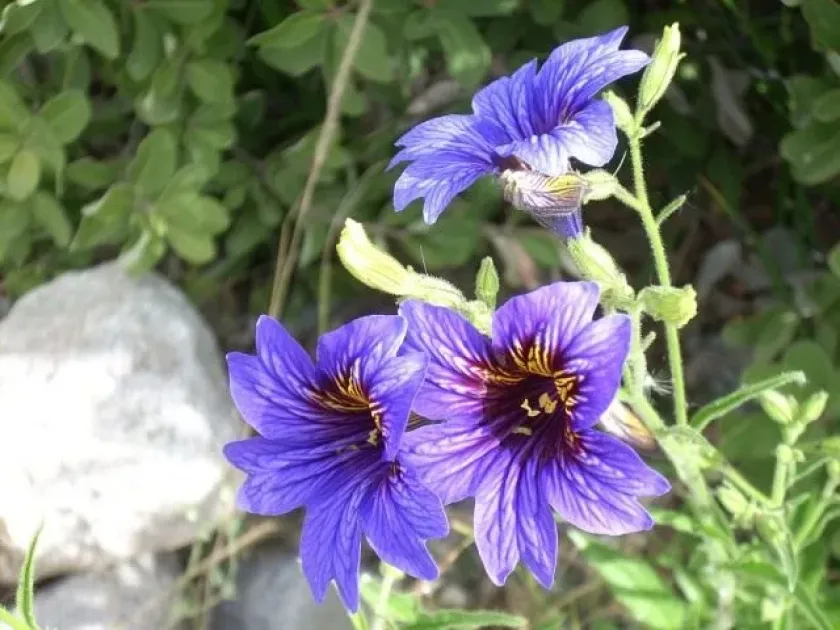
Description
Sowing dates
Salpiglossis hybrids, commonly known as painted tongue, belongs to the Solanaceae family. This ornamental crop is native to the temperate regions of South America, specifically Chile.
The standard sowing procedure involves planting seeds indoors in early spring, specifically in March or April, to provide a head start before the warm season begins.
Seeds are tiny and require light for germination, so they should be pressed gently into the substrate without covering them with soil.
Maintaining a temperature range of 20–22°C and high humidity under a glass cover or plastic dome is crucial for successful seed emergence within two weeks.
Once the seedlings develop their first true leaves, they should be hardened off and transplanted into the garden only after the risk of late spring frost has completely passed.
Growing requirements
Salpiglossis hybrids thrive in locations that receive full sun exposure for the majority of the day, as high light intensity is essential for vibrant flower coloration.
The ideal soil for this species is a well-draining, nutrient-rich, and slightly acidic medium that prevents moisture stagnation, which is critical for root health.
Proper water management is required: the soil should be kept consistently moist but never waterlogged to ensure the plant does not suffer from root decay.
Regular pinching of the terminal buds during the early growth stages is a highly recommended practice to encourage branching and produce a more prolific bloom.
Nutrient supplementation using balanced liquid fertilizers during the active growing season helps sustain the energy needed for the plant’s impressive floral displays.
Main diseases and pests
Aphids are the most common pests affecting Salpiglossis, as they frequently cluster on the tender tips and underside of the leaves, sucking plant juices.
Fungal pathogens such as Fusarium wilt or stem rot can occur if the planting site lacks adequate drainage or if the foliage remains wet for extended periods.
Mildew can pose a problem during periods of high humidity and poor air circulation, necessitating prompt remedial action with systemic fungicides.
Thrips may also damage the flowers, leading to discolored and deformed petals, which significantly impacts the aesthetic value of the ornamental planting.
Effective management strategies include maintaining proper plant spacing to improve airflow, consistent monitoring, and immediate removal of infected plant debris.