
Salpiglossis spinescens
Salpiglossis spinescens
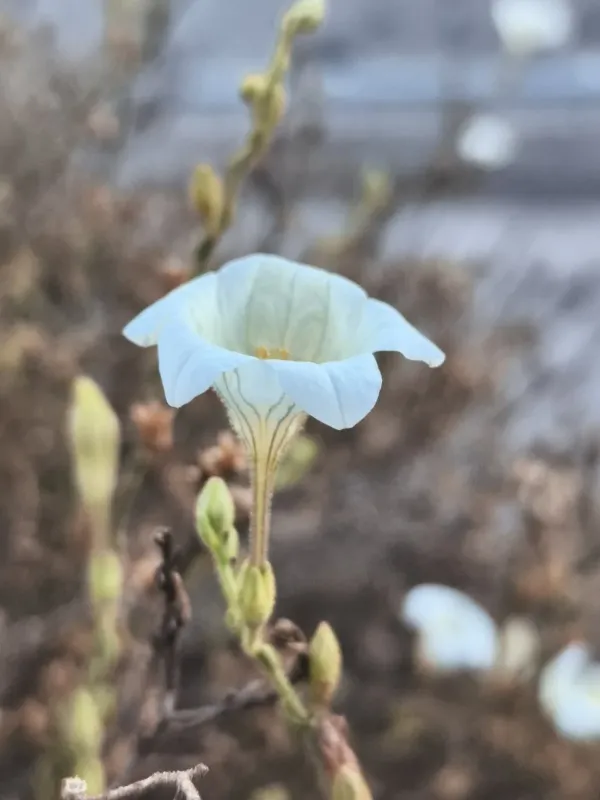
Description
Sowing dates
Salpiglossis spinescens is a member of the Solanaceae family native to the arid regions of Chile. Cultivation begins with sowing seeds indoors in late winter or early spring to ensure the plants reach maturity before the onset of autumn cooling.
Seeds are minute and should be sown on the surface of the soil medium without covering them, as light is required for germination. Maintain a consistent temperature of about 20 degrees Celsius to achieve reliable sprouting.
The germination period usually spans from two to three weeks. Careful humidity management is crucial; a plastic cover can be used to maintain moisture, but it must be removed as soon as seedlings appear to prevent damping-off.
Transplanting requires extreme caution due to the plant's delicate root system. Using biodegradable pots allows for direct planting into the garden, which minimizes transplant shock significantly.
Hardening off the seedlings is a vital step before outdoor planting. Over the course of ten days, gradually expose the plants to outdoor conditions to increase their tolerance to environmental stressors.
Growing requirements
This species thrives in full sun exposure. While it prefers warmth, excessive heat during the peak of summer may require light shading in the afternoon to prevent floral damage.
Well-draining, fertile soil is a strict requirement for successful growth. The plant is prone to root rot if placed in heavy, waterlogged soils, so soil aeration is highly recommended before planting.
Consistent watering is necessary throughout the growing season. The soil should remain moist but never soggy, as the balance between irrigation and drainage defines the overall health of the specimen.
Regular fertilization with a balanced, water-soluble fertilizer helps maintain the vibrant color of the blooms. Applications should be made every fortnight during the peak flowering stage.
Space the plants adequately to ensure good air circulation. Crowded plantings are highly susceptible to moisture-related diseases and can lead to leggy, unhealthy foliage development.
Main diseases and pests
Aphids and whiteflies are the primary pests that affect this crop. They tend to congregate on the undersides of the leaves, where they extract sap and potentially introduce viral infections.
Fungal issues, including root rot and powdery mildew, are major threats in humid or poorly ventilated environments. Proper cultural practices, such as morning watering, help mitigate these risks.
Monitoring the plants for discoloration or stunted growth is essential for early intervention. Prompt removal of infested parts can prevent the spread of diseases across the entire planting area.
- Aphids (Aphididae)
- Whiteflies (Aleyrodidae)
- Powdery Mildew (Erysiphaceae)
Integrated pest management, including the use of neem oil or targeted insecticides, can be effective. Always apply treatments in the evening to avoid harming beneficial pollinator insects.