
Rough nightshade
Solanum rude-pannum
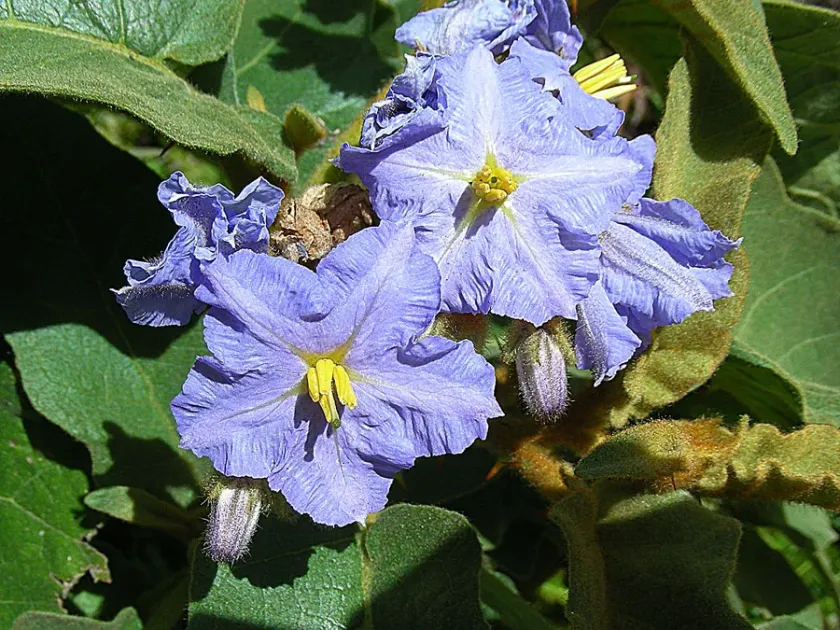
Description
Sowing dates
Rough nightshade is a thermophilic crop that requires stable warm temperatures, so sowing should only commence once the risk of spring frost has completely passed.
Starting the crop from seedlings in a controlled environment significantly improves germination rates and provides a head start before moving plants to open fields.
Seeds should be sown in a high-quality, sterile potting mix at a shallow depth to ensure adequate light exposure for successful and rapid germination.
Proper spacing during the sowing or planting phase is critical to ensure that individual plants have sufficient access to sunlight and airflow as they mature.
Adhering to a strict crop rotation plan is essential when sowing this species, as it helps prevent the buildup of soil-borne diseases common to the Solanaceae family.
Growing requirements
This crop thrives in areas with full sun exposure, requiring at least six to eight hours of direct light daily to maintain optimal vegetative growth and health.
Well-draining, fertile loamy soils are ideal, as the plant is sensitive to waterlogging which can quickly lead to root rot and other physiological disorders.
Maintaining a balanced moisture level is vital, especially during the flowering and fruit-setting stages, to ensure the plant does not experience excessive water stress.
Soil pH should ideally remain in the neutral or slightly acidic range to facilitate the efficient uptake of necessary macro and micronutrients by the root system.
Regular fertilization with organic matter or balanced mineral blends supports the heavy nutrient demands of this plant throughout its active growing season.
Yield
Achieving high yields requires diligent management of the plant's architecture, including pruning excess suckers to redirect energy toward fruit production.
The intensity of the yield is closely tied to the specific growing environment, with greenhouse cultivation often resulting in higher overall output per square meter.
Regular harvesting encourages the plant to maintain a continuous production cycle, potentially extending the total harvest period well into the late season.
Climatic stability plays a massive role in yield consistency, as sudden temperature fluctuations can lead to blossom drop and reduced overall fruit volume.
Using high-quality seeds and optimized nutritional programs are key factors that professional growers utilize to ensure maximum harvest potential for this nightshade.
Main diseases and pests
Fungal infections, such as late blight and leaf spots, represent significant threats, particularly when humidity levels remain consistently high throughout the season.
Pests like aphids, mites, and various beetles can severely damage foliage and fruit, necessitating an effective integrated pest management strategy.
Preventative measures, including ensuring proper plant spacing and greenhouse ventilation, are essential for reducing the risk of rapid disease spread.
The use of certified disease-free planting material is the first line of defense against many common pathogens that can devastate a nightshade crop.
Monitoring the field for early signs of infestation allows for the timely application of treatments, which is more effective than trying to manage a full-blown outbreak.
Harvesting
Harvesting should be performed manually to ensure the delicate fruit remains undamaged, preserving both shelf life and overall market value of the crop.
Fruit should be picked selectively based on maturity markers, such as surface color and skin firmness, to ensure the best possible flavor profile for the end user.
Prompt post-harvest handling, including removing field heat and immediate storage in controlled conditions, is crucial for maintaining fruit freshness.
Post-harvest hygiene involves the total removal of all plant debris from the site to minimize the survival rate of potential pathogens over the winter period.
Grading and sorting are vital final steps, allowing growers to separate produce by quality, which helps in efficient distribution and effective inventory management.