
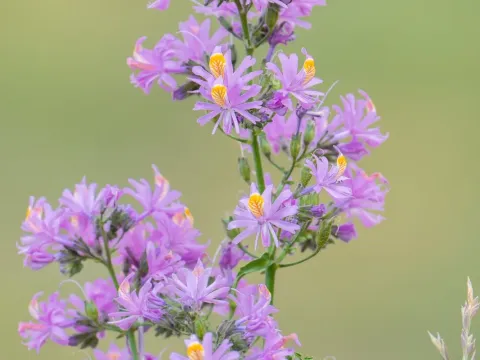
Schizanthus
Schizanthus
Schizanthus, a member of the Solanaceae family, is commonly known as the poor man's orchid. Seeds should be sown indoors in late February or March to ensure early blooming during the warmer months.
What the section contains

Schizanthus
The seeds require a light, well-draining soil mix for germination. They should be surface-sown and barely covered, as they need a consistent environment with temperatures between 18 and 20 degrees Celsius to sprout.
Pricking out the seedlings into individual pots is a crucial step once the first true leaves appear. This procedure prevents overcrowding and supports the development of a strong, healthy root system.
Transplanting into the garden or final containers must occur only after all risks of frost have passed. Gradually acclimatizing the plants to outdoor conditions is essential for successful establishment.
Spacing is vital to ensure good air circulation, which helps reduce the risk of humidity-related diseases and keeps the plants robust during the growing season.
Schizanthus thrives in moderately fertile, well-draining soils with a neutral or slightly acidic pH. Avoiding waterlogged conditions is essential, as the roots are highly susceptible to rot.
Sunlight is critical for the plant's development. It prefers full sun locations but may benefit from light shading in areas with intense heat, which can cause the plant to wilt or flower prematurely.
The ideal temperature for Schizanthus is moderate, ranging between 15 and 22 degrees Celsius. Extreme fluctuations or heat waves often result in poor plant performance and decreased flower production.
Regular but controlled watering is necessary. It is recommended to use liquid fertilizers with a low nitrogen content once the plant is established to promote long-lasting, vibrant blooms.
Pinching back the young shoots is an effective technique used to encourage bushy, well-branched plants that yield a significantly higher volume of flowers throughout the season.
Being part of the Solanaceae family, Schizanthus is prone to a variety of diseases that are typical of tomatoes and other related crops. Early diagnosis is key to effective management.
Fungal issues such as anthracnose, rhizoctonia, and late blight (phytophthora) represent significant risks, especially when environmental conditions are wet and stagnant. Gray mold can also quickly destroy foliage.
Viruses, particularly the tomato mosaic virus, pose a severe threat. Since viral infections cannot be treated, removal and disposal of infected plants remain the only way to protect the crop.
Pests like the root-knot nematode are particularly problematic as they affect the root system, stunting plant growth. Aphids and spider mites are also common threats that require consistent monitoring.
- Implement strict crop rotation practices.
- Sterilize all gardening tools frequently.
- Ensure optimal soil drainage to prevent fungal growth.
- Apply preventative fungicide or insecticide treatments as needed.