
Tomatillo
Physalis philadelphica Lam.
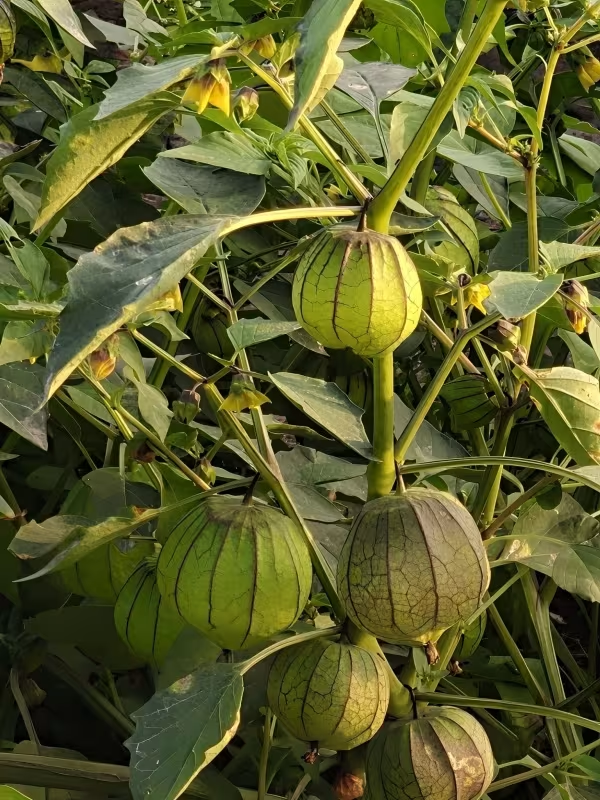
Description
Sowing dates
The tomatillo (Physalis philadelphica) is a warm-season crop that requires a long growing season. It is best started from seeds indoors, approximately 4 to 6 weeks before the last expected frost date, to ensure that the plants are well-established when moved outside.
Seeds should be sown in high-quality seedling mix at a depth of about 0.5 cm. Germination is fastest in warm conditions, typically requiring temperatures between +20°C and +28°C. Once sprouts emerge, providing ample sunlight is crucial to prevent the seedlings from becoming leggy.
Transplanting occurs only after all danger of frost has passed and the soil has warmed up significantly. Tomatillo plants are highly sensitive to cold, and even a minor chill can stunt their growth or delay fruit production indefinitely.
The spacing between plants should be approximately 60 to 90 cm. Providing adequate space is essential, as mature plants are quite vigorous and sprawling. Proper airflow between plants is a key component in reducing the risk of fungal disease during the humid summer months.
It is worth noting that most tomatillo varieties require cross-pollination to fruit well. Therefore, it is highly recommended to plant at least two or three plants in close proximity to ensure reliable fruit set and a bountiful harvest throughout the season.
Growing requirements
Tomatillos thrive in well-drained, fertile soil with a slightly acidic to neutral pH. They perform best when the soil is rich in organic matter, such as compost or well-rotted manure, which helps maintain moisture while ensuring good drainage.
Sunlight is a non-negotiable requirement for this crop. They need at least 6 to 8 hours of direct sunlight per day to flower and set fruit effectively. In shade, the plants may grow tall and lush, but they will produce very few, if any, fruits.
Consistent watering is vital for fruit development. The soil should be kept evenly moist, especially during the peak flowering and fruit-setting stages. Mulching around the base of the plants helps retain soil moisture and suppresses weed growth effectively.
While tomatillos are reasonably drought-tolerant once established, supplemental irrigation during dry spells is necessary to maximize yield. Avoid overhead watering to reduce the risk of leaf diseases; instead, focus on watering the base of the plants.
Balanced fertilization is beneficial for tomatillos, though excessive nitrogen should be avoided. An excess of nitrogen will push the plant to produce abundant foliage at the expense of fruit production, which is counterproductive for the grower.
Yield
A single, healthy tomatillo plant can produce between 3 to 5 kilograms of fruit if provided with optimal growing conditions. Productivity is generally very high, making it a reliable crop for home gardens and small-scale agricultural production.
Fruits are ready to harvest when they fill the papery husk completely, causing it to split open. The fruit inside should be firm and change color, typically to green or purple, depending on the specific variety, when it reaches peak maturity.
Regular harvesting encourages the plant to continue producing new flowers and fruits throughout the season. If fruits are left on the plant too long after the husk splits, they may lose some of their tart flavor and become less desirable for cooking.
The plant's natural architecture often leads to a heavy fruit load. Using support systems, such as cages or stakes, can help manage the weight of the branches, keep the fruits off the ground, and make the harvest process much more efficient.
With proper care and environmental management, the harvest window can last several weeks. Even as the nights grow cooler in late summer, well-maintained plants continue to yield quality fruit until the first hard frost kills the plant.
Main diseases and pests
Tomatillos are susceptible to several common pests that affect the nightshade family, including tomato hornworms, aphids, and flea beetles. Early detection through regular monitoring is the most effective way to manage these populations before they cause significant damage.
Fungal diseases like early blight and powdery mildew can occur, especially in humid or poorly ventilated environments. Maintaining good garden hygiene, such as removing fallen leaves and ensuring proper spacing, is the first line of defense against these infections.
Viruses, such as mosaic virus, can also impact production. These are often transmitted by aphids, making vector control an essential part of an integrated pest management strategy. Infected plants should be removed promptly to protect the rest of the crop.
Cutworms can be a problem for young transplants. Using protective collars made of cardboard or plastic around the stems of seedlings can prevent cutworms from severing them, ensuring a higher survival rate during the early stages of growth.
In cases of severe infestation or disease, organic or synthetic pesticides may be utilized, provided they are labeled for use on edible nightshades. Always read the label for instructions regarding application rates and the required harvest interval.
Harvesting
Harvesting usually begins in late summer. The key indicator of readiness is the husk, which starts to turn from green to brown and dries out slightly. The fruit should feel plump and firm to the touch, pushing firmly against the inside of the husk.
Unlike tomatoes, tomatillos do not ripen all at once. It is common to pick a few handfuls of fruit every few days. Simply pluck the fruit from the stems; the husk will stay attached to the fruit, providing a natural protective layer.
For storage, leave the husks intact until you are ready to use the fruits. They can be stored in a cool, dry place for about two weeks, or in the refrigerator, where they can last for over a month, maintaining their flavor and texture.
If frost is predicted, all remaining fruits should be harvested, even those that have not fully ripened. These can be stored in a cool, dark place to continue ripening slowly, or used in their current state for culinary preparations.
Tomatillos are highly valued for their role in international cuisine, particularly in salsas and stews. Proper post-harvest handling, including sorting and removing damaged fruits, ensures that the stored crop remains healthy and ready for culinary use.