
Pygmy groundcherry
Physalis minima L.
Description
Sowing dates
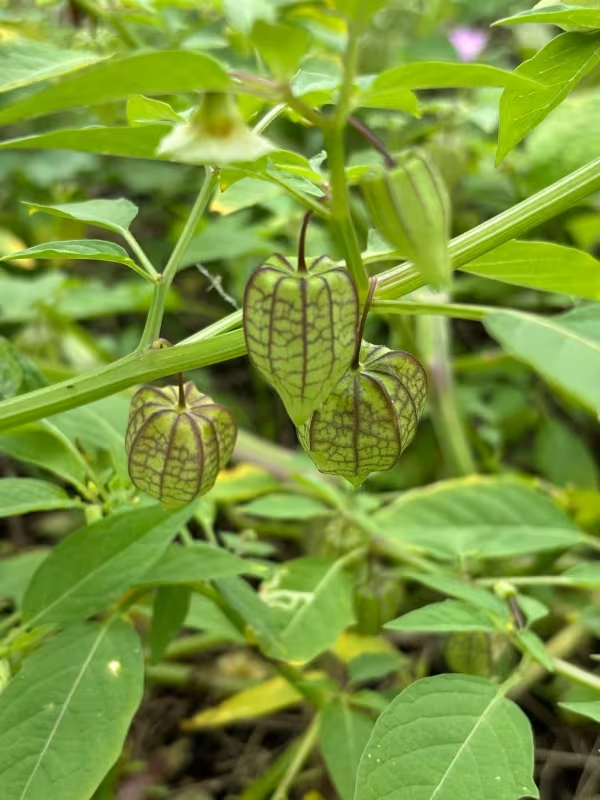
The Pygmy groundcherry (Physalis minima) is an annual plant belonging to the Solanaceae family, known for its small, edible berries encased in papery husks.
Sowing starts in early spring under controlled indoor conditions to ensure healthy seedling development before the last frost passes.
Seeds should be sown in a high-quality, sterile peat-based mix at a shallow depth of approximately 1 centimeter to promote uniform germination.
Once true leaves appear, seedlings should be thinned or transplanted into individual pots to avoid overcrowding and nutrient competition.
Proper hardening-off before transplanting into the field is essential to allow the young plants to adjust to outdoor light and temperature conditions.
Growing requirements
Physalis minima thrives in full sun exposure, which is critical for maximizing fruit sweetness and overall plant vigor throughout the season.
It prefers well-drained, sandy loam soils that prevent root rot while retaining enough moisture for steady growth during the developmental stages.
The optimal temperature range for active growth is between 20 and 28 degrees Celsius, as the plant is highly sensitive to frost and cold snaps.
Strategic irrigation is recommended during flowering and fruit setting to prevent flower drop and ensure consistent berry development.
Soil pH should ideally be neutral or slightly acidic, allowing for efficient nutrient uptake and minimizing the risk of micronutrient deficiencies.
Main diseases and pests
Common agricultural threats include fungal pathogens such as blight, especially during prolonged humid and rainy periods that favor spore dispersal.
Insect pests, including aphids and beetle larvae, can cause significant foliar damage and weaken the plant, affecting the overall yield potential.
Implementing integrated pest management (IPM) practices, such as crop rotation and biological controls, can mitigate the need for chemical treatments.
- Late blight (Phytophthora)
- Aphid infestations
- Colorado potato beetle
- Spider mites during drought conditions
- Fusarium wilt in contaminated soils
Maintaining clean farming practices, including the removal of infected debris after harvest, helps reduce the carryover of pathogens into the next season.
Harvesting
Harvesting usually occurs when the husks become thin and turn a straw-brown color, indicating the fruit inside has reached peak maturity.
The fruits ripen progressively, requiring multiple harvest passes throughout the season to ensure that none of the produce is lost to over-ripening.
Physalis minima fruits can be stored for weeks if kept in their protective husks in a cool, dry, and well-ventilated storage environment.
The fruit is culinary-versatile, commonly used in jams, salsas, garnishes, and exotic salads due to its distinct, slightly acidic flavor profile.
Post-harvest handling is straightforward, as the husk provides natural protection against physical damage and moisture loss during transport and storage.