
Physalis longifolia
Physalis longifolia Nutt. var. subglabrata (Mack. & Bush) Cronquist
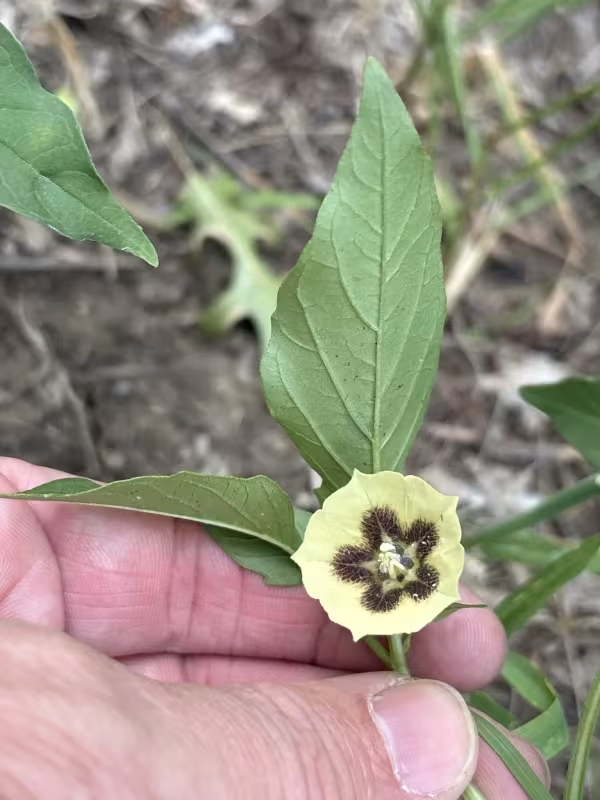
Description
Sowing dates
Physalis longifolia, a member of the Solanaceae family, is a perennial herbaceous plant. Its cultivation requires careful site selection and management of the growing period to ensure maximum yield.
While the species can propagate by seed, starting with high-quality, viable seeds is essential. Direct seeding is possible in warmer regions, provided the soil has reached adequate temperatures.
For indoor propagation, seeds should be sown in a high-quality substrate approximately 6-8 weeks before the last expected frost date. Proper moisture levels are vital for uniform germination.
Seedlings should be hardened off before transplanting into the field to reduce transplant shock and promote rapid root establishment in the permanent growing area.
Spacing requirements are critical for this species. Planting in rows with sufficient clearance between plants ensures adequate sunlight penetration and promotes vigorous development.
Growing requirements
Physalis longifolia thrives in well-drained, sandy to loamy soils with a neutral pH level. Proper drainage is essential to prevent root rot, as the plant is sensitive to waterlogged conditions.
The plant requires full sun exposure to flourish. Reduced light levels often result in stunted growth and a significant decline in the production of fruit and biomass.
Regarding moisture, the crop requires consistent watering, particularly during the flowering and fruit-setting stages, to ensure steady growth without inducing stress.
Temperature plays a crucial role in the development of Physalis longifolia. It performs best in moderate to warm climates, where the risk of extreme frost is minimal during the active growing season.
Soil nutrient management is standard for the Solanaceae group, requiring balanced nitrogen, phosphorus, and potassium levels to support foliage and reproductive growth throughout the season.
Main diseases and pests
The plant is susceptible to various pathogens, including fungal infections such as powdery mildew and root rot, which are often exacerbated by poor ventilation and high humidity.
Insect pests, including aphids and leaf-eating beetles, are common challenges in field production. Early detection through regular crop scouting is the most effective management strategy.
Virus-related diseases can also affect the crop, often transmitted by insect vectors. Maintaining clean field margins and controlling pest populations are vital preventive measures.
Integrated Pest Management (IPM) practices, including the use of trap crops and biological controls, are recommended to minimize chemical reliance in production fields.
Proper sanitation, including the removal of crop residues at the end of the season, significantly reduces the overwintering potential of pests and pathogens, protecting future cycles.