
Clammy groundcherry
Physalis viscosa L.
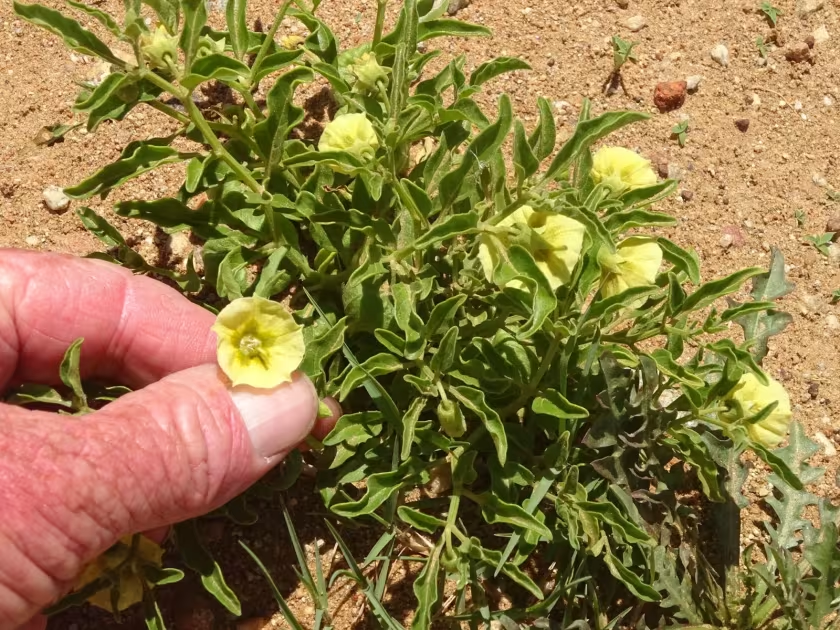
Description
Sowing dates
The clammy groundcherry (Physalis viscosa L.) is a perennial herbaceous plant belonging to the Solanaceae family. While it is native to certain regions of the Americas, it is cultivated globally for its unique fruit which is enclosed in a papery husk.
For successful agricultural production, seeds should be sown in trays indoors during late winter or early spring. A starting medium with good drainage is essential to prevent seedling rot and to ensure healthy root development before transplanting.
Transplanting to the final location occurs once the risk of frost has passed and the soil has sufficiently warmed. Space the plants approximately 50 to 60 centimeters apart to allow for proper airflow and to facilitate easier weeding and harvesting.
Seeds are usually sown at a depth of one centimeter. Germination typically takes two to three weeks under consistent moisture and warmth. Using high-quality, disease-free seeds is the first step in ensuring a healthy and productive crop cycle.
Consistent care during the early stages of growth, including light fertilization and controlled watering, is vital. Proper seedling management ensures that the plant establishes a robust framework capable of supporting a heavy fruit load later in the season.
Growing requirements
This crop thrives in sunny locations with well-drained, sandy-loam soils. It is highly sensitive to waterlogged conditions, which can lead to root diseases and stunted growth, making site selection critical for successful farming.
Soil pH should ideally be kept between 6.0 and 7.0 for optimal nutrient availability. If the soil is too acidic, applying agricultural lime several months before planting can help balance the pH and improve overall yield potential.
Watering requirements are moderate; however, consistent moisture is necessary during the flowering and fruit-setting phases. Drip irrigation is highly recommended as it minimizes moisture on the foliage, thereby reducing the risk of fungal infections.
While the plant is hardy and can tolerate some environmental stress, it prefers stable temperatures. Exposure to extreme heat or cold during the pollination phase can lead to flower drop, which negatively impacts the final harvest quantity.
Weed control is an ongoing requirement throughout the growing season. Using organic mulch, such as straw or wood chips, can help suppress weeds, conserve soil moisture, and maintain a cleaner environment for the developing fruit.
Main diseases and pests
The clammy groundcherry is susceptible to common nightshade pests, including the Colorado potato beetle and various species of aphids. Regular scouting of the fields is essential to catch infestations before they cause significant economic damage.
Fungal diseases like blight can occur, especially in humid and poorly ventilated conditions. Integrated pest management (IPM) strategies, which combine cultural practices with biological controls, are the most sustainable approach to maintaining crop health.
Viral infections, often transmitted by insect vectors like whiteflies, can also cause mosaic patterns on leaves and reduce yield. Controlling the vector population is the most effective way to prevent the spread of viral pathogens throughout the field.
To prevent disease buildup, growers should avoid planting groundcherry in the same spot where potatoes or tomatoes were grown recently. Practicing a three-year rotation cycle significantly lowers the pressure from soil-borne pathogens.
- Regular monitoring for pest presence.
- Removal and destruction of infected plant debris.
- Selection of certified disease-resistant seeds.
Harvesting
Harvesting is a continuous process that begins when the fruit is fully mature and the husk starts to dry and turn papery. Many varieties will drop their fruit to the ground when ripe, making regular collection from the field surface necessary.
The husk provides excellent natural protection for the fruit, allowing it to stay fresh longer than most other berries. Once harvested, the fruit should be kept in their husks for short-term storage or processing purposes.
After collection, the fruit needs to be dried in a well-ventilated, shaded area to prevent mold growth. Proper drying is essential for the long-term shelf life of the product, especially if intended for commercial distribution.
Clammy groundcherry is highly valued for its sweet-tart flavor profile, making it a popular ingredient in jams, preserves, and confectionery products. Its unique taste and long shelf life in the husk make it a niche but profitable crop.
For large-scale operations, mechanical harvesting is possible, though it requires specialized equipment to minimize physical damage. Handling with care remains the most reliable way to ensure that the final product reaches the consumer in prime condition.