
Husk tomato
Physalis pubescens L.
Description
Sowing dates
The husk tomato (Physalis pubescens L.) belongs to the nightshade family and is a prized vegetable and dessert crop. Unlike its ornamental relatives, this annual plant is valued for its sweet berries, which possess a distinctive strawberry-like aroma and are encased in papery husks.
Native to the tropical and subtropical regions of the Americas, this plant is now cultivated globally. In temperate regions, it is typically grown from transplants to ensure the fruit has sufficient time to mature during the relatively short growing season of the summer months.
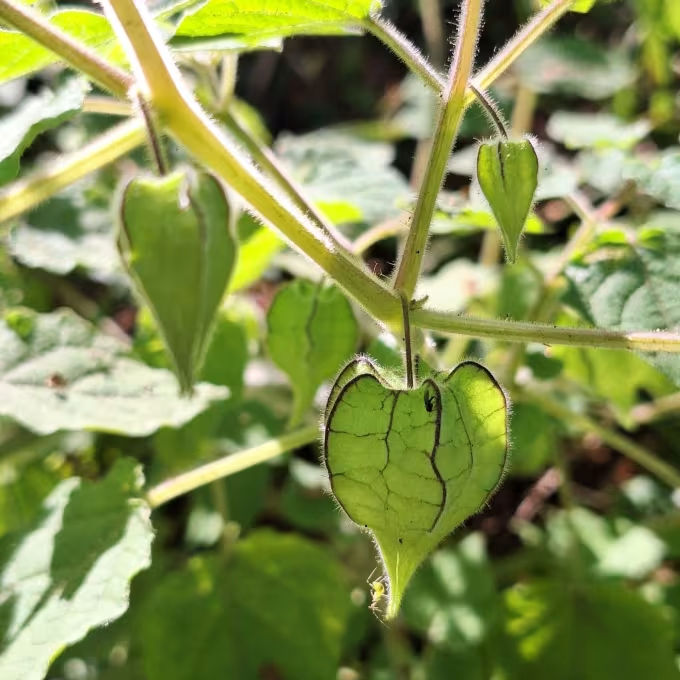
Botanically, the plant is a spreading, branched shrub that typically reaches 50 to 70 centimeters in height. Its leaves are covered in fine hairs, a characteristic feature that gives the species its name, and the stems tend to sprawl, requiring careful management during growth.
The fruit is widely used in the food industry to produce jams, preserves, chutneys, and candied fruits. Due to their high pectin and vitamin content, husk tomato berries are considered a healthy dietary addition, known for their nutritional value and pleasant flavor profile.
Seeds should be sown indoors in late March or early April. The transplant stage lasts approximately 45 to 50 days, allowing the seedlings to establish a strong root system before being moved outdoors once the threat of frost has completely passed in late spring.
Growing requirements
The husk tomato is a heat-loving crop that requires steady temperatures between 20 and 25 degrees Celsius for optimal development. Exposure to temperatures below 15 degrees Celsius can significantly stunt growth and delay the ripening of the fruit, impacting final yields.
The plant thrives in light, well-draining soil with a slightly acidic to neutral pH. It is highly sensitive to waterlogged conditions, which can lead to root rot; therefore, selecting a site with excellent drainage is crucial for the health and vitality of the plants.
Full sun exposure is a non-negotiable requirement for this crop. Shade will lead to leggy, unproductive growth and a dramatic reduction in fruit set. A sunny, wind-protected location ensures the plant remains compact and produces the maximum possible number of berries.
Consistent moisture is needed, especially during the flowering and fruit-setting stages. Mulching the area around the base of the plant is recommended to retain soil moisture and stabilize soil temperatures, which helps prevent stress during the hottest parts of the season.
Routine maintenance includes hoeing between the rows to manage weeds and improve soil aeration. Earthing up the stems encourages the development of adventitious roots, which improves nutrient uptake and provides the plant with better physical support during development.
Yield
The yield of Physalis pubescens typically ranges from 0.5 to 1.5 kilograms per plant, depending on soil fertility, moisture management, and the quality of the transplants. Proper care throughout the growing season is essential for maximizing the productivity of each individual shrub.
To improve fruit size and ripening consistency, gardeners often practice pruning the lower suckers. This directs the plant's energy toward maturing the fruit already on the branches rather than supporting excessive vegetative growth, which can delay the harvest.
The fruit is ready for harvest once it achieves a bright yellow or amber color and the husk begins to dry out and turn light brown. Monitoring the crop closely is vital, as the fruit tends to drop naturally when fully ripe, risking contamination or rot.
Yields can be significantly increased in greenhouse environments where the growing season is extended. Using balanced mineral fertilizers during the peak flowering stage can improve the total harvest by 20 to 30 percent compared to plants grown without any nutritional supplementation.
Harvested berries should be dried in a ventilated area with their husks intact. This practice ensures better storage quality and longevity, allowing for a steady supply of fresh berries for consumption or market sales over several weeks or even months if stored correctly.
Main diseases and pests
Fungal diseases, such as late blight and various leaf spots, are the most significant threats to husk tomato crops. These pathogens thrive in humid, rainy conditions, necessitating the use of preventive bio-fungicides to protect the foliage and developing fruits.
Damping-off (black leg) is a common concern during the seedling stage, often caused by overwatering and poor air circulation. Maintaining a strict watering schedule and providing ample space between seedlings can effectively mitigate the risk of this devastating disease.
Pests like the Colorado potato beetle and wireworms can severely damage young plantings by feeding on leaves and root systems. Regular monitoring and the application of appropriate insecticides are necessary to control populations and prevent widespread plant damage.
Aphids and spider mites are frequent pests in protected greenhouse conditions, where a stable climate favors their rapid multiplication. Regular inspection of the underside of leaves and the use of insecticidal soaps can keep these pest populations under control effectively.
Crop rotation is the most critical management strategy to prevent soil-borne diseases. Avoiding planting husk tomatoes in the same location as potatoes, peppers, or other tomatoes for at least three to four years helps break the cycle of common nightshade pests.
Harvesting
The harvest should be performed periodically as the berries reach maturity. Because husk tomatoes tend to fall to the ground upon ripening, daily collection is recommended to prevent the fruit from sitting in damp soil, which accelerates decay and ruins the harvest.
For long-term storage, harvest the berries when the husks start to lighten and show signs of drying. Careful handling during the collection process is essential, as the skin is delicate and prone to bruising, which can quickly lead to rotting during the storage period.
Keeping the husks on the fruit is recommended for market-bound produce. The papery shell serves as a natural protective layer that guards the fruit against mechanical damage and adds to the visual appeal, making it more attractive to consumers in a retail setting.
Before the first autumn frost, all remaining immature fruits should be collected. While these fruits are not as sweet as vine-ripened berries, they are excellent for pickling or use in cooked sauces, providing a unique flavor and texture for culinary applications.
After the final harvest, all plant debris must be removed and disposed of away from the garden beds. This sanitary measure is vital, as husk tomato stems and leaves can harbor pathogens that could otherwise survive the winter and threaten future nightshade crops.