
Japanese lantern
Physalis alkekengi L.
Description
Sowing dates
Sowing seeds of Physalis alkekengi in open ground is best performed in the spring, once the soil has warmed to 10-12 degrees Celsius, typically in late April or early May.
To achieve earlier flowering and promote the development of vibrant calyxes, it is recommended to use the seedling method, starting indoors or in a greenhouse in March.
Seeds should be planted at a depth of no more than 0.5 to 1 centimeter, ensuring consistent surface moisture to support uniform germination.
After the appearance of two pairs of true leaves, seedlings should be pricked out into individual pots or containers to strengthen their root systems before transplanting.
It is important to maintain adequate spacing between plants, leaving approximately 40–50 centimeters, as the rhizomatous nature of this plant facilitates rapid spreading.
Growing requirements
Physalis alkekengi is a perennial herbaceous plant belonging to the Solanaceae family, originating from regions across Asia and Europe.
The crop prefers well-lit areas but can tolerate partial shade, which may result in a slightly different color intensity for its decorative calyxes.
The plant is not particularly demanding regarding soil conditions but thrives best in light, fertile, and well-drained loamy soils with a neutral pH level.
It demonstrates high winter hardiness and the ability to withstand temporary drought, although regular watering during the active growth phase significantly improves its appearance.
The plant possesses a powerful, branching rhizome, allowing it to successfully overwinter in the soil even in temperate climates without the need for additional protection.
Yield
The economic use of this culture is focused primarily on the ornamental value of its bright orange calyxes in floriculture rather than food production.
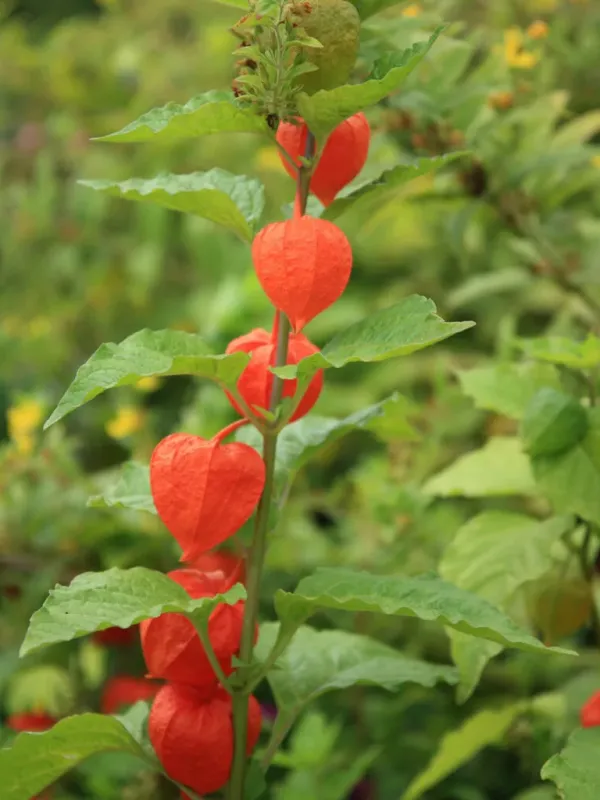
Yield in the context of ornamental gardening is measured by the number of lantern-like fruits that densely cover stems reaching heights of 60–90 centimeters.
Properly organized fertilization with complex mineral fertilizers during the budding phase allows for increased quantity and size of the decorative fruits.
When agricultural best practices are followed, a significant amount of high-quality floristic material can be harvested from one square meter of plantation.
While the fruits inside the calyxes of Physalis alkekengi are technically edible, they are less commonly used for food compared to other berry varieties due to their specific flavor profile and primary ornamental purpose.
Main diseases and pests
The primary threats to Physalis alkekengi are fungal diseases, such as powdery mildew, which can occur under conditions of excessive humidity and overcrowding.
Common pests include aphids and spider mites, which may infest leaves by feeding on plant sap during hot and dry weather conditions.
To prevent the spread of late blight, a common issue for many solanaceous crops, it is not recommended to plant Physalis near tomatoes, potatoes, or peppers.
Disease prevention includes regular weeding and ensuring good air circulation between plants to allow the aerial parts to dry efficiently.
At the first signs of pest infestation, biological or chemical insecticides should be applied, strictly adhering to dosage guidelines and waiting periods before harvesting for decoration.
Harvesting
Harvesting for decorative purposes is carried out in late summer or early autumn, once the calyxes have achieved their maximum vibrant orange or reddish hue.
Stems should be cut at the base using sharp shears, after which all leaves are removed to prevent degradation of the composition's aesthetic appeal during drying.
For long-term storage and winter bouquet creation, the stems are tied in bunches and hung upside down in a dry, ventilated area protected from direct sunlight.
When dried correctly, the lanterns retain their shape and intense color throughout the winter, serving as excellent material for professional floral design.
Harvesting must be completed before the onset of hard autumn frosts to prevent damage to the delicate husks and to ensure their structural integrity.