
Longleaf groundcherry
Physalis longifolia Nutt.
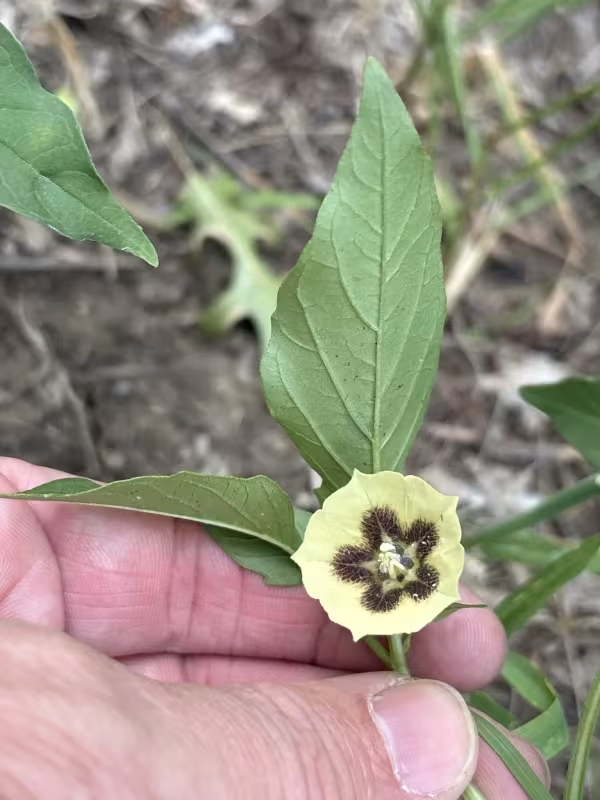
Description
Sowing dates
The longleaf groundcherry (Physalis longifolia) is a perennial herbaceous plant belonging to the Solanaceae family. When cultivated, propagation usually begins with seed germination in a controlled indoor environment, starting in late winter to ensure strong seedlings before the planting season.
Seedlings are transplanted into the open field once the risk of spring frost has completely passed. The soil temperature must be sufficiently warm, ideally above 15 degrees Celsius, to support rapid establishment of the root system and avoid transplant shock.
Direct seeding in the field is possible in warmer climates, provided that the seeds are placed at a shallow depth of approximately 1 to 2 centimeters. Proper spacing is crucial, with recommended distances of about 50–60 centimeters between individual plants to prevent overcrowding.
Maintaining adequate row spacing of up to 70 centimeters allows for effective machinery passage or manual weeding. This spacing is also vital for ensuring that each plant receives maximum sunlight, which is essential for the maturation of the fruit enclosed in the papery husks.
As a perennial, the plant develops an extensive rhizomatous root system. Agronomists should account for this when planning crop rotation, as the plant can persist in the soil if not managed correctly during land preparation for subsequent crops.
Growing requirements
This species thrives in well-drained, fertile soils with a neutral or slightly acidic pH. It performs best in sunny locations where it can receive direct light for most of the day, which is necessary for vigorous vegetative growth and fruit development.
While the plant is somewhat drought-tolerant once established, consistent moisture is required during the flowering and fruit-setting phases. Irrigation should be managed carefully to ensure the soil remains moist but never waterlogged, as stagnant water promotes root disease.
Temperature plays a key role in production; the plant prefers warm weather within the 20–28 degrees Celsius range. Prolonged exposure to extreme heat or excessive cold can limit productivity, necessitating the use of mulch to stabilize soil temperature.
Soil fertility management should involve the application of organic matter such as compost or well-rotted manure during the pre-planting phase. Balanced fertilization with phosphorus and potassium can further enhance yield quality during the peak growing season.
Good air circulation is essential for the health of the crop. Planting in areas with natural breezes and maintaining clear paths between rows reduces the risk of leaf spot diseases that often plague plants in the Solanaceae family.
Main diseases and pests
The primary threats to longleaf groundcherry include fungal pathogens such as blight and various forms of root rot. These issues are most prevalent in high-humidity conditions where foliage remains wet for extended periods, encouraging fungal spores to germinate.
Insect pests, particularly the Colorado potato beetle and aphids, pose a significant risk to plant vigor. Integrated pest management strategies, including the use of biological control agents and targeted insecticide application, are often required to maintain harvest quality.
Wireworms and cutworms can damage the underground parts of the plant, often leading to sudden wilting and death of mature specimens. Deep tillage in the autumn can help disrupt the life cycle of these soil-dwelling insects, reducing their impact in the following spring.
Viral infections transmitted by sap-sucking insects can cause mosaic patterns and stunted growth. Because these viruses are systemic, infected plants must be identified early, removed, and safely disposed of to prevent the spread to adjacent healthy crops.
Preventative hygiene in the field, such as disinfecting pruning tools and cleaning up plant debris after the harvest, is essential. These practices help minimize the overwintering of pathogens and ensure that the next cycle of the crop starts in a healthy environment.