
Cape gooseberry
Physalis peruviana L.
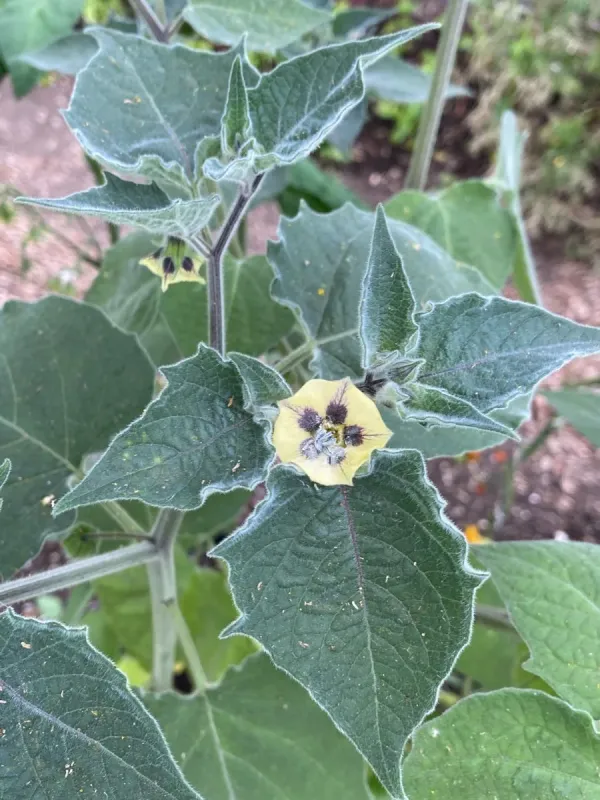
Description
Sowing dates
Cape gooseberry is a warm-season crop that thrives in sunny climates, requiring a long growing season to produce high-quality fruit. In temperate regions, it is best started indoors 6 to 8 weeks before the last frost date to ensure an early harvest.
Sow seeds in a well-draining seed-starting mix, placing them just beneath the surface. Maintain a consistent soil temperature of 20°C to 25°C to facilitate uniform germination, which typically occurs within 10 to 14 days.
Once seedlings develop their first true leaves, transplant them into larger individual containers. This prevents root competition and encourages a robust root system before the final transfer to the field or greenhouse.
Hardening off is a critical stage for this plant. Gradually introduce seedlings to outdoor conditions over a 10-day period to prevent transplant shock, especially if the plants have been raised under controlled indoor lighting.
Set the plants into the ground only when all risk of frost has passed and night temperatures remain steadily above 10°C. Space plants at least 60 cm apart to allow for significant lateral branching and proper air circulation.
Growing requirements
Physalis peruviana belongs to the Solanaceae family and is native to high-altitude regions of South America. It prefers full sun exposure and performs best in fertile, well-draining soils with a pH ranging from 5.5 to 7.0.
Adequate water is essential, especially during the fruit-set stage, but avoid waterlogged conditions which can lead to crown rot. Drip irrigation is highly recommended to keep the foliage dry and reduce fungal pressure.
The plant is a heavy feeder and responds well to balanced organic fertilization during the vegetative growth stage. Once flowering begins, reducing nitrogen in favor of potassium and phosphorus helps maximize fruit production.
Temperature management is key; the plant is sensitive to both extreme cold and extreme heat. Daytime temperatures between 20°C and 25°C are ideal for promoting healthy flower development and fruit quality.
Support structures like stakes or cages are often necessary. Because the plant produces many branches, trellising keeps the husked fruits off the ground, reducing the risk of pest damage and rot.
Yield
Yield potential for Cape gooseberry is high, with individual plants often capable of producing 2 to 4 kilograms of fruit. The plant continues to flower and set fruit continuously until the arrival of cooler autumn weather.
Harvesting is unique because the fruit ripens inside a papery husk. The fruit is ready for picking when the husk turns brown and brittle and the fruit inside develops a deep golden-orange color.
Because the berries do not ripen all at once, you must perform multiple pickings throughout the season. Harvesting every few days ensures you catch the berries at the peak of their sweetness and aromatic intensity.
Post-harvest, the husks serve as a natural protective barrier, allowing the fruit to be stored at room temperature for several weeks without significant spoilage. This makes it an excellent crop for commercial distribution.
The culinary applications for the fruit are diverse, ranging from fresh salads and jams to exotic toppings for desserts. Its unique tart-sweet profile and high vitamin content make it highly prized in global markets.
Main diseases and pests
Like other members of the nightshade family, Cape gooseberry is susceptible to diseases such as late blight, bacterial wilt, and powdery mildew. Maintaining proper hygiene in the growing area is essential for disease suppression.
Common pests include flea beetles, whiteflies, and aphids. In greenhouse settings, spider mites can become problematic if the environment becomes too dry or hot for extended periods.
Effective pest and disease management relies on cultural practices such as crop rotation. Avoid planting in beds previously occupied by tomatoes, peppers, or potatoes for at least three years to prevent soil-borne pathogen buildup.
When chemical intervention is necessary, opt for products with low residual effects to ensure the safety of the harvested fruit. Biological controls, such as introducing beneficial insects, can be highly effective in controlled environments.
- Monitor for early signs of leaf discoloration.
- Remove and destroy any infected plant material immediately.
- Keep the area surrounding the plants free of weeds.
- Use mulches to prevent soil splashes on lower leaves during rainfall.