
Physalis angulata
Physalis angulata L.
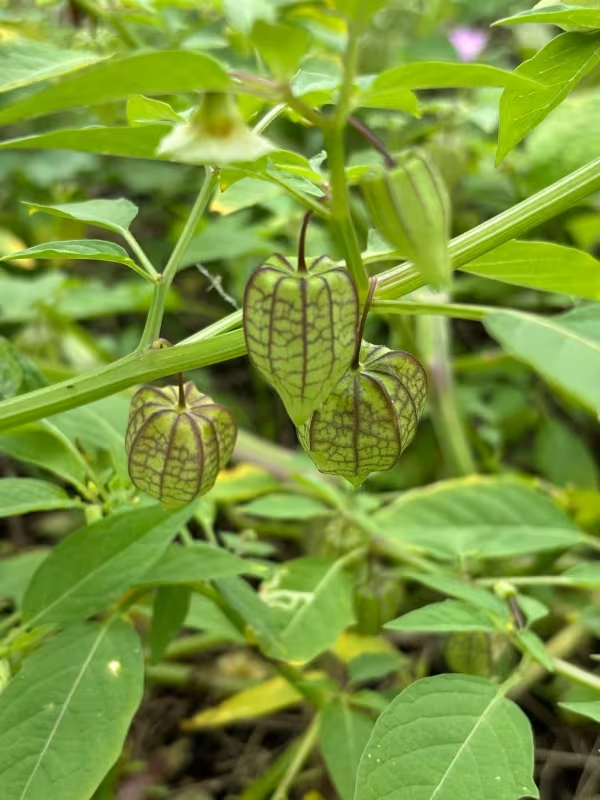
Description
Sowing dates
Seeds of Physalis angulata should be started indoors about 4 to 6 weeks before the last expected frost to ensure a robust seedling development.
Direct seeding in the field is possible in tropical climates, provided the soil temperature has consistently reached at least 15 degrees Celsius.
Spacing between plants should be maintained at 40 to 60 centimeters to allow proper air circulation and reduce the risk of fungal infections.
The planting depth for the seeds should not exceed 1.5 centimeters, and the soil must be kept moist but not waterlogged during the germination phase.
Hardening off the seedlings before transplanting is a crucial step for acclimating the young plants to outdoor environmental conditions.
Growing requirements
Physalis angulata belongs to the Solanaceae family and thrives in well-draining, fertile soils with a pH ranging from 6.0 to 7.5.
The plant requires full sun exposure for optimal growth and fruit production, as shade can significantly reduce the overall yield.
While the crop is relatively drought-tolerant once established, regular irrigation is necessary during the flowering and fruit-setting stages.
Soil nutrient management is essential, with a preference for balanced fertilizers applied in split doses throughout the growing season.
The plant is highly sensitive to cold temperatures and frosts, which can cause severe damage or death to the vegetation.
Yield
The yield of Physalis angulata is highly dependent on environmental conditions and the intensity of the applied cultivation techniques.
With proper care and adequate fertilization, each mature plant can produce a substantial quantity of small, edible fruits.
Harvesting is typically done over an extended period because the fruits ripen sequentially rather than simultaneously across the plant.
Yield potential can be increased by utilizing high-quality seed material and ensuring that soil moisture levels remain optimal throughout the summer.
Economic assessment shows that this species is increasingly valued for its medicinal properties and potential in the pharmaceutical industry.
Main diseases and pests
Common pests include aphids, whiteflies, and various types of beetles that can feed on the foliage and damage the development of fruits.
Fungal pathogens such as Phytophthora can affect the roots and foliage, particularly in areas with poor drainage or excessive humidity.
Crop rotation is a fundamental practice to prevent the buildup of soil-borne diseases that are specific to the Solanaceae family.
Effective pest management involves integrated strategies, including the use of biological controls and timely application of pesticides.
- Phytophthora blight
- Aphid infestations
- Root rot
- Whiteflies
Harvesting
Harvesting should occur when the husks (calyces) surrounding the fruit turn from green to a papery tan or brownish color.
The fruits should be picked carefully to avoid damaging the husks, which serve as a protective layer during storage and transport.
Post-harvest drying is recommended in a well-ventilated area to reduce moisture in the husks and prevent mold development.
The plants are generally harvested until the first frost, at which point the vegetation usually begins to deteriorate rapidly.
Properly dried fruits can be stored for several months, provided they are kept in a cool, dry place away from direct sunlight.