
Quincula
Quincula
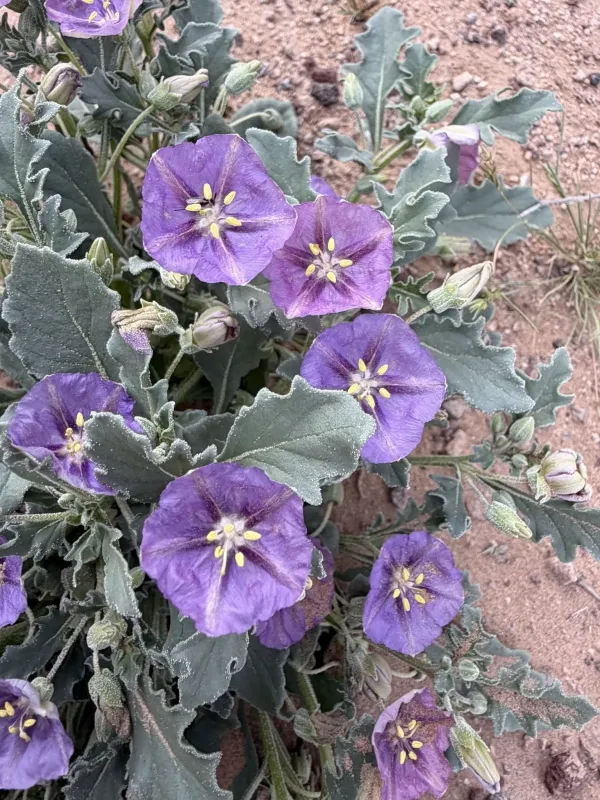
Description
Sowing dates
Quincula lobata is a perennial herbaceous plant, with sowing typically taking place in the spring once the danger of frost has passed and temperatures rise.
Optimal germination occurs when soil temperatures remain consistently between +20°C and +25°C, ensuring a strong start for the developing seedlings.
Seeds should be sown in a well-draining, sandy-based medium at a shallow depth of approximately 1 to 2 centimeters to ensure adequate oxygen to the germinating embryo.
Starting seeds indoors or in a greenhouse is a common agricultural practice for this species, allowing for better environmental control during the fragile early growth stages.
Once seedlings have developed several sets of true leaves, they can be hardened off and transplanted into their final location, ensuring sufficient spacing for airflow.
Growing requirements
As a member of the Solanaceae family, Quincula is well-adapted to semi-arid environments and naturally thrives in sunny, open spaces with minimal competition.
The plant requires full sun exposure for several hours a day to maintain its structural integrity and encourage the production of its characteristic flowers.
Soil composition is critical for this species; it demands loose, sandy, or gravelly soils that offer exceptional drainage to prevent root-related issues.
While highly drought-tolerant once established, providing periodic irrigation during intense heat waves can help maintain a more vigorous and healthy appearance.
The plant does not require high levels of soil nutrients and can thrive in nutrient-poor environments where other, more demanding crops might fail to establish.
Main diseases and pests
Quincula may encounter various plant diseases, particularly fungal pathogens that thrive in conditions where moisture levels are not strictly managed.
Root rot is the most significant threat, almost always resulting from poor drainage or excessive soil moisture that prevents the roots from respiring properly.
Insect pests, including aphids and spider mites, can become a nuisance during hot and dry spells by feeding on the foliage and sap of the plant.
Cultural control methods such as proper spacing, removing debris, and avoiding overhead watering are highly effective in reducing the risk of disease outbreaks.
If chemical interventions are necessary, choosing treatments specific to Solanaceae plants is essential to minimize potential phytotoxicity to the crop.