
Rock Nightshade
Solanum petrophilum
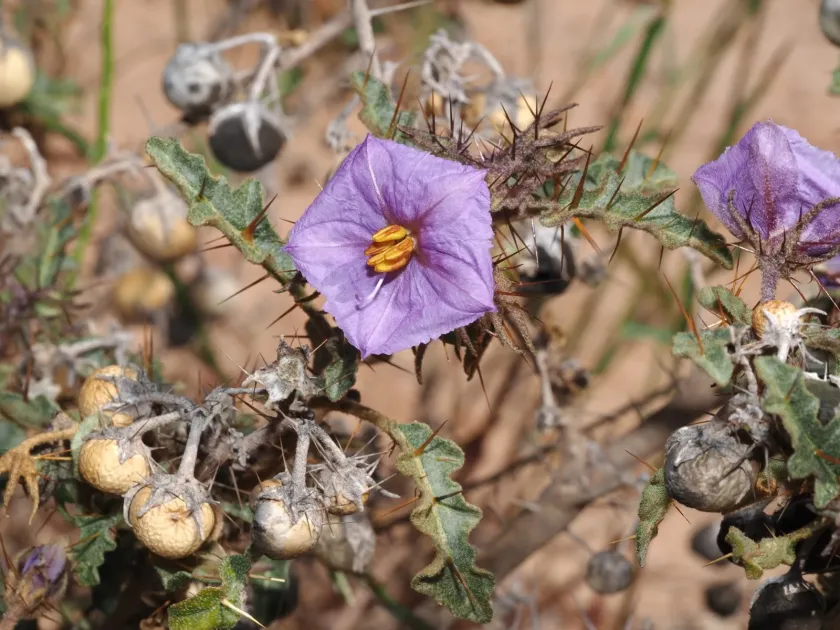
Description
Growing requirements
Rock Nightshade, known botanically as Solanum petrophilum, is a resilient species within the Solanaceae family, specifically evolved for life in rocky and arid environments. This plant demonstrates exceptional adaptation to low-nutrient, high-drainage substrates where traditional crops struggle to establish.
The morphology of this plant features specialized leaf structures and deep root systems capable of extracting moisture from deep within rocky crevices. These features are essential for maintaining physiological stability during extended periods of drought and high heat exposure.
For successful cultivation, it is critical to replicate the native stony habitat. Soils must have superior drainage properties to prevent root asphyxiation, which is the primary cause of mortality for this species in managed settings. Avoid the use of heavy fertilizers.
Climate requirements for Solanum petrophilum center around high solar radiation and low atmospheric humidity. The plant thrives in regions characterized by distinct dry seasons and minimal precipitation, which supports its natural metabolic rhythm and reproductive health.
Cultural management should prioritize minimal soil disturbance and the maintenance of a stable, dry environment around the crown of the plant. Over-irrigation is the most significant error in its management, often leading to rapid decline due to fungal pathogen proliferation.
Main diseases and pests
The most common health issues for Rock Nightshade are rooted in moisture management. Fungal infections, particularly root rot and Phytophthora, are prevalent in environments that do not allow for rapid drying of the substrate following rainfall or irrigation events.
Pest pressures include standard Solanaceae antagonists such as spider mites and various species of thrips. In drier climates, these insects can reach economic threshold levels quickly, feeding on the undersides of the leaves and causing chlorosis or stunting.
Integrated Pest Management (IPM) strategies are highly recommended for this crop. Utilizing biological controls and maintaining environmental conditions unfavorable to pests—such as adequate spacing for airflow—is far more effective than heavy chemical interventions.
Viral pathogens may also pose a risk if the crop is situated near other infested nightshade species. Monitoring for vectors like aphids and whiteflies is essential to prevent the spread of systemic diseases that can be devastating to the plant's long-term health.
Proactive monitoring of soil pH and electrical conductivity can also help mitigate stress, ensuring the plant remains robust enough to resist secondary infections even under mild environmental pressure.