
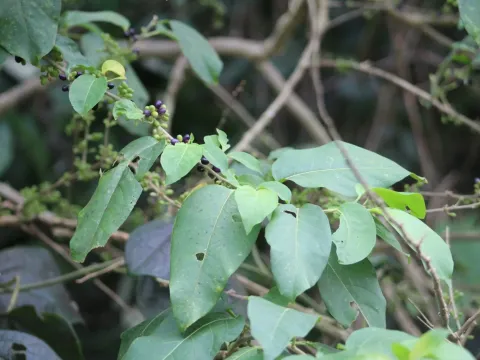
Cestrum latifolium
Cestrum latifolium
Cestrum latifolium is an evergreen shrub belonging to the Solanaceae family, originating from the tropical regions of the Americas. This species is recognized for its broad, lush foliage and is primarily grown for its ornamental value in gardens and controlled greenhouse environments.
What the section contains
Cestrum latifolium
Cultivation requires fertile, well-draining soil with a pH balance ranging from slightly acidic to neutral. Proper soil aeration is crucial to prevent the roots from suffocating, especially in regions with high precipitation levels or frequent irrigation schedules.
The plant thrives in warm tropical to subtropical climates, favoring temperatures between 18°C and 25°C. It is highly intolerant to frost, necessitating protection or indoor storage when temperatures drop toward freezing, as cold can cause significant physiological damage.
Agricultural management involves consistent watering throughout the growing season to keep the substrate moist but not waterlogged. Supplemental nitrogen-based fertilizers are recommended during the active growth phase to support the development of broad leaves and vibrant new shoots.
Regular pruning is an essential part of the plant's upkeep to manage its size and improve branch density. By selectively removing older or crossing branches, gardeners can ensure better air circulation and light penetration throughout the foliage, which promotes healthier growth.
The primary pest threats to Cestrum latifolium include aphids and spider mites, which can proliferate quickly in dry indoor environments or sheltered garden spots. These pests feed on sap, often causing leaf curling and reduced plant vigor if left unchecked.
Fungal pathogens such as root rot can occur if soil moisture levels remain consistently too high, particularly during periods of low light or poor ventilation. Ensuring adequate drainage and avoiding overhead watering are key strategies in managing these risks.
Powdery mildew may develop on leaves when the plant is kept in humid conditions with stagnant air. To prevent this, maintaining proper spacing between plants and ensuring good air movement is vital for long-term health and leaf cleanliness.
Insects like whiteflies can also transmit viruses that weaken the plant's structure over time. Using organic insecticidal soaps or horticultural oils is recommended for minor infestations, provided the treatment is applied during cooler parts of the day.
Careful disposal of infested debris is a mandatory step in sanitation protocols to prevent reinfection. Monitoring the plant's health twice a week helps in identifying early warning signs, allowing for quick intervention and minimizing the need for heavy chemical usage.