
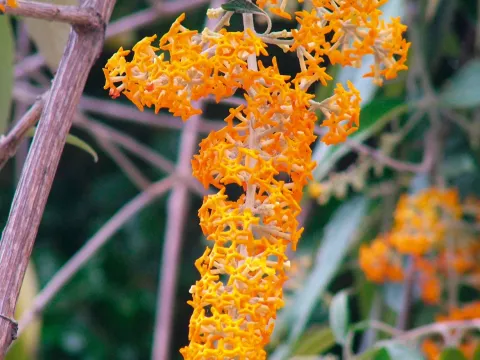
Buddleja lewisiana
Buddleja lewisiana
Buddleja lewisiana is a perennial ornamental shrub belonging to the Scrophulariaceae family. Known for its aesthetic appeal and graceful flower spikes, it has become a popular choice for gardens and landscaping projects.
What the section contains
Buddleja lewisiana
The plant originates from regions that require a temperate climate. It thrives in full sun exposure and demands well-drained soil with a slightly alkaline to neutral pH to reach its maximum growth potential.
Proper soil management is critical for this species. It does not tolerate waterlogged conditions, so ensuring excellent drainage is paramount during the planting stage to prevent root-related issues.
Agrotechnical practices primarily revolve around regular pruning. By cutting back the stems in early spring, gardeners can stimulate vigorous growth and ensure a prolific flowering display throughout the summer.
Fertilization should be balanced, focusing on providing sufficient nitrogen and phosphorus during the early growing phase to support both foliage development and the production of vibrant flowers.
Common pests that affect Buddleja lewisiana include spider mites and whiteflies. These insects often thrive in dry environments and can cause significant damage to the leaves if not treated promptly.
Fungal diseases, such as root rot, are frequently associated with poor soil drainage and excessive moisture. Improving air circulation around the shrub is a key preventive measure against such pathogens.
Powdery mildew can occur during periods of high humidity and fluctuating temperatures. Applying appropriate fungicides when symptoms first appear can help preserve the aesthetic quality of the shrub.
Aphids represent another potential threat, often congregating on the soft tissues of new shoots. Early intervention using horticultural soaps or biological control agents is highly effective.
Maintaining a clean cultivation area by removing debris and weeds helps reduce the risk of infestation and disease recurrence, creating a healthier environment for the shrub to flourish.