
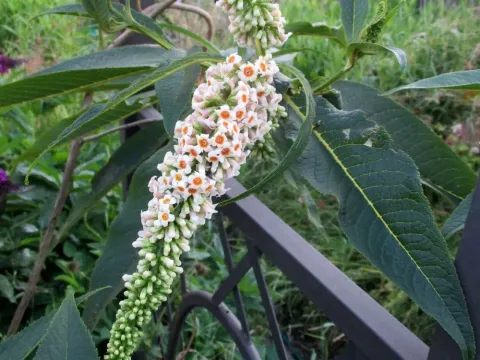
Buddleja forrestii
Buddleja forrestii
Buddleja forrestii belongs to the Scrophulariaceae family. It is a deciduous shrub native to the high-altitude regions of Southwest China, where it has adapted to specific mountain environmental conditions.
What the section contains
Buddleja forrestii
The plant is characterized by its slender, upright growth habit and lanceolate leaves that often feature fine indumentum. This botanical feature helps the plant conserve moisture and withstand harsh winds in its natural habitat.
For successful cultivation, the plant requires well-drained, fertile soil. It is highly sensitive to waterlogged conditions, making effective drainage systems a mandatory component of site preparation.
Climatically, it thrives in temperate zones with high sun exposure. While somewhat hardy, it benefits from protection in regions where winter temperatures drop significantly below freezing point.
Agricultural management involves annual pruning to encourage dense growth and flower production. Consistent monitoring of soil fertility ensures the shrub maintains its decorative appeal throughout the growing season.
Common pests include spider mites and aphids, which are particularly troublesome during hot and dry summer months. These insects suck sap from the leaves, causing wilting and loss of vitality.
Root rot, often caused by pathogens like Phytophthora, remains the most severe disease threat. This usually arises when the plant is grown in dense, poorly aerated soil.
Pest management relies on integrated strategies, including the use of targeted insecticides and periodic manual inspection of the shrub's foliage to detect early infestations.
Fungal diseases such as powdery mildew can occur if air circulation around the plant is insufficient, requiring proper pruning to open the center of the canopy.
Ensuring the plant is not over-watered and providing adequate spacing between individual specimens serves as the primary defense against most biological threats.