
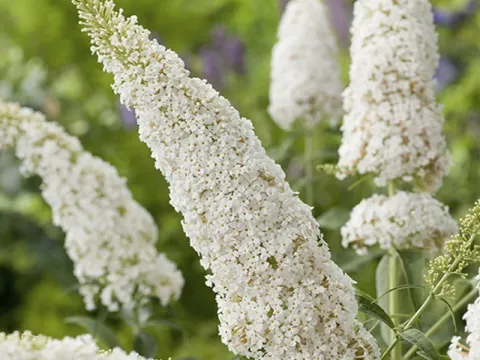
Buddleja whiteana
Buddleja whiteana
Buddleja whiteana is a deciduous shrub belonging to the Scrophulariaceae family. Native to the mountainous regions of China, this species is highly valued for its aesthetic appeal and fragrant, arching flower clusters.
What the section contains
Buddleja whiteana
Successful cultivation of this shrub requires a sunny location that receives at least six to eight hours of direct sunlight daily. Exposure to sunlight is critical for stimulating flowering and developing the plant's characteristic structure.
Regarding soil, Buddleja whiteana prefers well-drained, fertile loamy soils. It is essential to ensure that the site has an excellent drainage system, as the species is highly susceptible to root damage caused by prolonged waterlogging.
The shrub thrives in temperate climates but requires protection against extreme cold and harsh winter winds. Providing a layer of mulch around the root system helps in regulating soil temperature and moisture retention.
Regular maintenance includes systematic pruning, typically performed in early spring. This practice promotes vigorous new growth, as the plant blooms on current-season shoots, and maintains the desired shape of the shrub.
Spider mites are the primary pests that affect Buddleja whiteana, especially during hot and dry summer months. These pests cause chlorosis on leaves and may lead to defoliation if left untreated.
Fungal diseases such as powdery mildew are common, particularly in environments with poor air circulation or high humidity. Symptoms include a white, powdery coating on leaf surfaces, which inhibits photosynthesis.
Aphids often target young shoots and buds during the active growing season. While they usually do not kill the plant, they can stunt growth and attract secondary issues like sooty mold through honeydew secretion.
Gray mold (Botrytis) represents a significant threat during rainy periods or when planting density is too high. Proper spacing is crucial to ensure good airflow and minimize the risk of infection.
Integrated pest management, including monitoring and timely application of appropriate fungicides or insecticides, is recommended to keep the plant healthy throughout the growing season.