
Buddleja polystachya
Buddleja polystachya
Description
Growing requirements
Buddleja polystachya is a woody perennial shrub classified under the Scrophulariaceae family. Native to the mountainous regions of Ethiopia and the Arabian Peninsula, this species has evolved to thrive in rocky, well-drained terrains under high levels of solar exposure, which defines its basic agronomic needs.
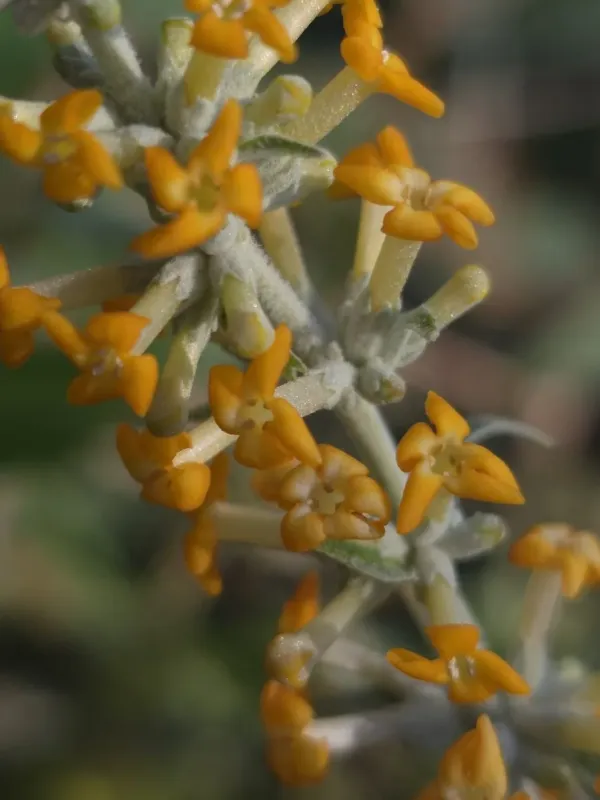
Botanically, the plant is distinguished by its upright growth habit and distinct inflorescences featuring orange to reddish-brown flowers. Unlike many other species in the genus, Buddleja polystachya maintains a unique aesthetic appeal due to its dense racemes, making it a sought-after subject for xeriscaping and botanical collections.
The culture requires full sun exposure for optimal development. It is highly intolerant of waterlogged soils; therefore, soil preparation must ensure excellent aeration and drainage. In regions with heavy precipitation, planting on elevated beds is highly recommended to protect the root system from decay.
Maintenance involves seasonal pruning, which is critical for managing the plant's size and ensuring vigorous blooming on new wood. Regular removal of spent flowers can prolong the flowering season and improve the overall decorative quality of the shrub during the summer months.
In terms of soil requirements, the plant prefers sandy or loamy soils with a near-neutral pH. While it is naturally drought-tolerant, supplemental irrigation during the initial establishment period is essential to ensure a robust root architecture before the plant becomes fully independent.
Main diseases and pests
The most common pests affecting this shrub are spider mites and whiteflies, which tend to proliferate in hot, dry environments. Integrated pest management strategies, including the use of horticultural oils and specific systemic insecticides, are effective in controlling these populations.
Root rot remains the most significant pathological threat to the crop. This condition is almost exclusively associated with poor drainage and excessive moisture levels. To mitigate this risk, it is essential to monitor moisture levels and ensure that the soil remains well-aerated throughout the growing season.