
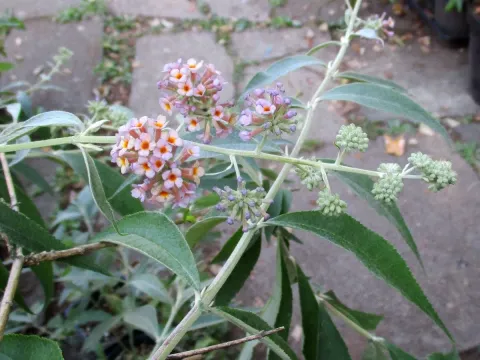
Buddleja intermedia
Buddleja intermedia
Buddleja intermedia is a distinct hybrid ornamental shrub resulting from the crossbreeding of Buddleja alternifolia and Buddleja davidii. It is taxonomically placed within the Scrophulariaceae family, valued for its vigorous growth and aesthetic qualities.
What the section contains
Buddleja intermedia
The plant exhibits morphological traits characteristic of its parents, featuring long, arching stems and terminal panicles of fragrant flowers that appear in mid-to-late summer, significantly enhancing the landscape value of any garden.
This species requires full sun exposure to thrive, as shade significantly reduces flowering intensity. Proper site selection is crucial to ensure the plant receives sufficient light for its physiological processes throughout the season.
Soil requirements focus on fertility and drainage. The plant prefers deep, loamy, well-drained soils with a near-neutral pH. It cannot tolerate heavy, waterlogged soils, which may cause root system stress or decay.
Cultivation practices involve annual pruning to maintain shape and promote flower production. In regions with freezing winter temperatures, protection measures such as thick mulching at the base are necessary to ensure survival.
The most common pests affecting this shrub are aphids and spider mites. These insects feed on the plant's sap, leading to stunted leaf growth and overall reduction in plant vigor if not controlled effectively.
Fungal pathogens, particularly powdery mildew, represent a serious threat, especially in environments with high humidity and poor air circulation within the shrub canopy.
Integrated pest management, including regular inspection of the leaf underside and the use of targeted systemic insecticides, is recommended for effective control of infestations.
Good cultural practices, such as providing adequate spacing between plants and avoiding overhead irrigation, are essential to mitigate the risk of fungal outbreaks in the planting site.
Removing dead or diseased plant material and maintaining overall garden cleanliness prevents the overwintering of pests and fungi, promoting a healthier environment for the Buddleja.