
Buddleja hybrids
Buddleja hybrids
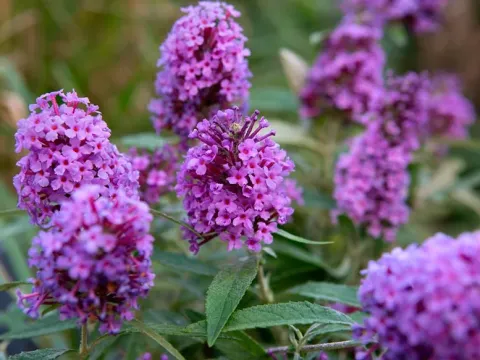
Buddleja hybrids are ornamental deciduous shrubs belonging to the Scrophulariaceae family, created through the crossing of various Buddleja species. Known widely as "butterfly bushes," these plants are prized for their long, fragrant flower spikes that bloom from mid-summer until the first frosts.
What the section contains
Buddleja hybrids
The culture thrives in full sun exposure, requiring at least six to eight hours of direct light daily. Soil must be exceptionally well-drained and neutral to slightly alkaline. Planting in heavy clay or waterlogged soils often leads to root rot, which is the primary cause of plant loss during dormant periods.
Climatic adaptability is a key aspect of their management. While they can tolerate various zones, most hybrids require heavy mulching in colder regions to protect the crown. Pruning is essential; in early spring, the previous year's growth should be cut back severely to encourage strong, vigorous new stems.
Regular maintenance includes deep watering during hot, dry spells to sustain blooming potential. Fertilization should be moderate; an excess of nitrogen often results in lush foliage but fewer flower spikes, so balanced slow-release fertilizers are typically recommended for optimal development.
The primary utility of these shrubs is in landscaping, where they serve as focal points, borders, or informal hedges. Beyond their beauty, they provide an essential nectar source for pollinators, making them a standard choice for ecological or biodiversity-focused garden projects.
Spider mites are the most common pest, particularly in hot and dry climates, where they thrive on the undersides of leaves. Regular monitoring and, if necessary, the application of horticultural oils or specific miticides are recommended to manage these infestations effectively.
Aphids can also cluster on fresh growth, distorting the foliage. Furthermore, improper sanitation or humid conditions may lead to root rot or fungal leaf spots. Ensuring proper spacing between plants is the most effective cultural method to prevent the spread of fungal pathogens.