
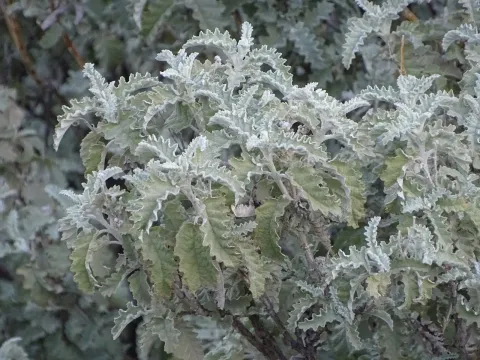
Buddleja glomerata
Buddleja glomerata
Buddleja glomerata is a perennial shrub belonging to the Scrophulariaceae family. Originating from the arid regions of Southern Africa, this species is well-adapted to high-light environments and thrives in conditions that mimic its natural habitat.
What the section contains
Buddleja glomerata
The plant demands full sun exposure to maintain its compact growth habit and profuse flowering cycles. When cultivated in temperate zones, it is crucial to provide a sheltered location protected from harsh winter frosts, as the plant is not winter-hardy in colder climates.
Soil requirements focus on excellent drainage to prevent root rot, which is a common failure point for this species. A gritty, sandy-loam substrate with a neutral pH is ideal for ensuring optimal root aeration and healthy nutrient uptake throughout the growing season.
This species exhibits remarkable drought tolerance, making it an excellent candidate for low-maintenance xeriscaping. While it survives periods of water scarcity, supplemental irrigation during the peak flowering stage will significantly enhance the aesthetic appeal and size of the blooms.
Maintenance involves pruning the previous year's growth during early spring to encourage dense foliage and structure. Balanced fertilizers applied once at the beginning of the vegetative phase are sufficient to meet the plant's nutrient needs for the entire year.
The primary threats to Buddleja glomerata are typically associated with water management. Over-irrigation or poorly drained soil often leads to root fungal infections, which are difficult to cure once the root system has been compromised by rot.
Spider mites are a persistent concern in hot and dry climates, as they thrive on the undersides of the leaves. Regular monitoring and the application of mild horticultural oils or specialized miticides are effective in preventing large-scale infestations.
Aphids tend to colonize new, succulent shoots during the early spring months. These insects not only damage the plant tissue but also produce honeydew, which can attract secondary fungal growth, known as sooty mold, on the foliage.
Whiteflies may pose a challenge in enclosed greenhouse environments or dense plantings. Integrated pest management, including the use of sticky traps and periodic biological control agents, is recommended to keep populations below the damage threshold.
Good horticultural hygiene, such as removing fallen leaves and pruning away damaged branches, serves as the first line of defense. Ensuring adequate air circulation around the shrub prevents the development of localized humidity pockets where pests flourish.