
Buddleja hotblackiana
Buddleja hotblackiana
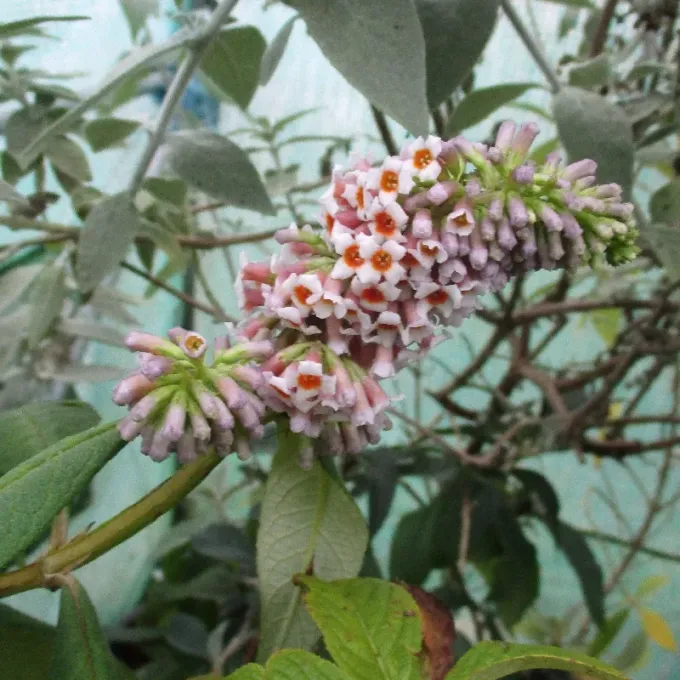
Description
Growing requirements
Buddleja hotblackiana belongs to the Scrophulariaceae family, representing a niche and highly attractive ornamental shrub. It is known for its distinct botanical traits that set it apart from more common Buddleja species, requiring specific environmental conditions for optimal growth.
The plant thrives in full sun exposure, requiring locations protected from strong, drying winds. It prefers well-drained, fertile soil with a neutral to slightly alkaline pH, which allows for the best development of the root system and prevents water-logging damage.
Proper water management is essential for the cultivation of this species. While it requires consistent moisture during the peak of the growing season, drainage must be excellent to avoid root rot, particularly during the dormant season in colder regions.
Climatic requirements focus on warmth; the species is sensitive to extreme frosts. In moderate climates, gardeners must implement winter protection techniques, including mulching the base and potentially wrapping the branches to ensure survival through the winter.
In terms of usage, this plant is primarily utilized in specialized ornamental landscaping and botanical collections. Its aesthetic value is highly appreciated in garden design, where it serves as a focal point for late-season flowering displays.
Main diseases and pests
Primary threats to the plant include fungal diseases, which are often encouraged by poor air circulation or excessively damp conditions. Monitoring the foliage for spotting is a critical practice for maintaining plant health throughout the season.
Insect pests, specifically aphids, are common threats that colonize tender new growth. Infestations can lead to stunted shoot development and distorted leaves, requiring prompt intervention with appropriate horticultural soaps or systemic insecticides.
Spider mites represent a significant risk, especially during hot, dry summer months. These pests cause chlorosis on the leaves, leading to leaf drop if not managed through increased humidity or the application of miticides when symptoms first appear.
Pruning is an essential maintenance activity that acts as a preventative measure against threats. By thinning out the canopy and removing dead or weak wood, the gardener facilitates better airflow and minimizes the favorable conditions for fungal development.
Soil health and proper fertilization play a crucial role in preventing vulnerability to various pests. Providing the plant with balanced nutrients helps sustain its vigor, making it more resilient against environmental stresses and disease pressures.