
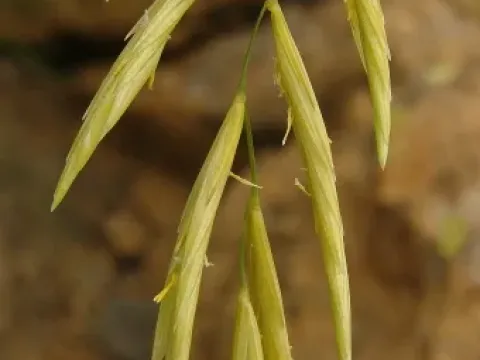
Festucopsis
Festucopsis
Festucopsis is a genus of perennial grasses belonging to the Poaceae family. These plants are recognized for their robust nature and their significant role in maintaining the stability of permanent grasslands and fodder production areas in diverse temperate climates.
What the section contains
Festucopsis
The culture thrives in well-drained, fertile soil types, particularly loams that allow for proper root development. It shows remarkable adaptation to cool environmental conditions and is known for its cold tolerance, making it a reliable choice for regions with harsh winter periods.
Successful establishment of Festucopsis requires an environment with adequate sunlight and appropriate moisture levels. Excessive waterlogging should be avoided, as the root system, while hardy, requires sufficient soil aeration to maintain healthy biological activity and growth rates.
Agronomic management involves careful preparation of the seedbed and precise timing of sowing to ensure deep root establishment before the onset of extreme seasonal conditions. Fertilization, particularly nitrogen, is essential during the active spring growth phase.
The grass is known for its longevity, often sustaining productive stands for several years without the need for reseeding. This makes it a cost-effective choice for farmers looking to establish durable pastureland or hay meadows.
Festucopsis is highly valued in the agricultural sector for its ability to produce high-quality biomass suitable for grazing and hay production. It offers a balanced nutritional profile, rich in proteins and fiber, which is essential for healthy livestock growth.
Yields are optimized by rotational grazing systems or strategic cutting schedules that account for the plant's regrowth capacity. With proper fertilization and management, the crop can deliver consistent yields over multiple harvests throughout the season.
The grass is characterized by high palatability for livestock, ensuring efficient feed consumption even when used in extensive grazing systems. Its durability under grazing pressure is a testament to its structural resilience.
Integration with legume species in seed mixes is a common practice to enhance the nitrogen-fixing capabilities and overall feed quality of the harvested biomass. This improves both the yield quantity and the nutritional output per hectare.
Seed production of Festucopsis is reliable in favorable climates, allowing producers to maintain a self-sustaining supply of high-quality seeds for expansion or maintenance of existing pastures.
Despite its inherent hardiness, Festucopsis is susceptible to common fungal pathogens, including powdery mildew and various types of rust. These diseases are particularly prevalent during periods of high humidity and poor air circulation within the stand.
Root rots pose a potential threat, especially in soils that are poorly drained or prone to compaction. Improving soil structure and ensuring proper water management are essential preventative measures against these issues.
Insect pests such as cereal flies and aphids can affect growth, particularly during the early vegetative stages. Early detection through field scouting is vital for implementing integrated pest management strategies.
Competition from invasive weeds during the seedling establishment phase can suppress growth and reduce yield potential. Utilizing certified clean seed and implementing mechanical weeding techniques are key components of successful weed control.
Overall, the crop exhibits a high level of environmental fitness. Most threats can be effectively managed through standard agronomic practices, such as balanced fertilization, crop rotation, and timely field inspections.