
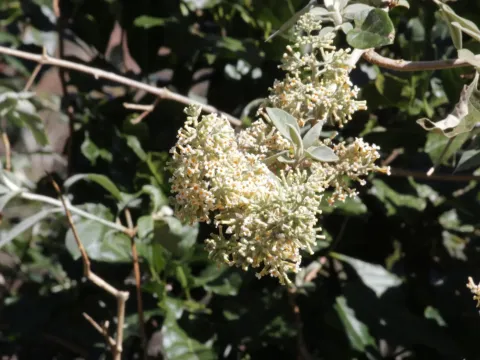
Buddleja pulchella
Buddleja pulchella
Buddleja pulchella is a perennial shrub belonging to the Scrophulariaceae family. This species is recognized for its ornamental value and its ability to thrive in diverse ecological settings within its native African range.
What the section contains
Buddleja pulchella
The plant requires full sun exposure to maintain its structural integrity and encourage vigorous flowering. It is sensitive to frost and wind, making it essential to select sheltered planting sites in temperate regions to protect the canopy from damage.
In terms of soil, Buddleja pulchella prefers well-drained, nutrient-rich soil with a neutral to slightly alkaline reaction. Waterlogging is a significant risk; therefore, organic matter should be incorporated into the soil to improve texture and drainage efficiency.
Standard agrotechnical practices involve regular pruning to encourage new growth, as the plant blooms primarily on current-season wood. Consistent irrigation during dry spells is critical during the first two years of establishment to ensure a healthy root system.
This species is widely used in landscape design, specifically for borders and pollinator-friendly garden layouts. Its capacity to attract butterflies and bees adds significant ecological value to the cultivated environment.
Common diseases affecting Buddleja pulchella include powdery mildew and botrytis, which are often exacerbated by poor air circulation and excessive humidity. Proper spacing between plants helps to mitigate these fungal risks significantly.
Pest pressures include infestations of spider mites, aphids, and whiteflies. Integrated pest management, including the use of neem oil or targeted biological controls, is often sufficient to keep these populations under control during the growing season.