
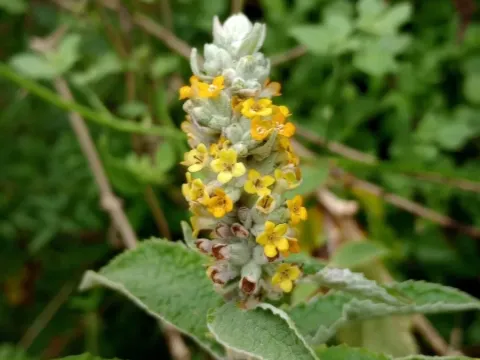
Buddleja stachyoides
Buddleja stachyoides
Buddleja stachyoides is a perennial shrub species belonging to the Scrophulariaceae family. Known for its spike-like inflorescences, it is a significant plant in various horticultural and ornamental applications, native to the tropical and subtropical regions of South America.
What the section contains
Buddleja stachyoides
This shrub requires a warm, temperate climate to thrive. It is typically found in Brazil and Argentina, where it adapts well to diverse soil types, provided that they are fertile, slightly acidic to neutral, and have excellent drainage properties.
When selecting a planting site, sunlight is the most critical factor. Buddleja stachyoides demands full sun exposure to promote vigorous vegetative growth and profuse flowering; shade often results in etiolated stems and diminished aesthetic quality.
Water management is vital for this culture. While it requires consistent moisture during the growing season, it is highly susceptible to root rot if water stagnates. Proper soil aeration and the inclusion of organic matter are highly recommended for optimal results.
Regular maintenance involves precise pruning techniques. Cutting back the previous season's growth in late winter or early spring encourages the development of strong, new flowering shoots, which is essential for maintaining the health and productivity of the shrub.
The primary fungal threats to Buddleja stachyoides include gray mold and various leaf spot diseases. These conditions are usually exacerbated by high humidity and poor air circulation within the shrub canopy, making spacing a key management strategy.
In terms of insect pests, spider mites and whiteflies are the most common adversaries. These pests thrive in dry and warm conditions, necessitating regular monitoring of the foliage to ensure early detection and prevent widespread infestation.
Chemical control measures should be applied judiciously, favoring integrated pest management (IPM) practices whenever possible. The use of systemic insecticides can provide long-term protection, but application timing must strictly follow local safety guidelines.
Nutrient deficiencies, particularly iron chlorosis, can weaken the plant's overall defense mechanisms. Providing balanced micronutrient fertilization can help the plant better withstand the pressure of biotic and abiotic stressors throughout the season.
Sanitation practices, such as removing fallen leaves and pruning debris at the end of the season, are crucial for reducing the overwintering inoculum of common fungal pathogens, thereby safeguarding future plant vigor.