
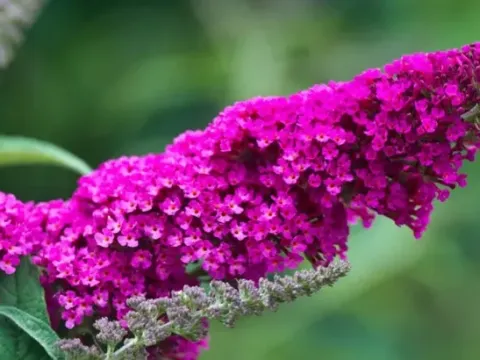
Buddleja hybrida
Buddleja hybrida
Buddleja hybrida, commonly known as a hybrid butterfly bush, is an ornamental shrub belonging to the Scrophulariaceae family. It is a result of selective breeding designed to enhance the color, size, and fragrance of the panicles, making it a popular choice for gardens.
What the section contains
Buddleja hybrida
The plant thrives in full sun exposure, which is critical for its vigorous growth and abundant flowering. It is native to temperate and subtropical regions, implying that in colder climates, it requires a sheltered spot to prevent frost damage to its semi-woody stems.
Soil requirements focus on fertility and drainage. The plant prefers deep, well-drained, loam-based soils. It does not tolerate waterlogging, which often leads to root rot, so incorporating gravel or sand into heavy soils during the planting phase is highly recommended.
Proper agricultural practice for Buddleja involves regular pruning. Gardeners should cut back the previous year's growth significantly in early spring, which ensures a more compact form and promotes the development of strong, flower-bearing shoots throughout the summer.
The primary horticultural use of this species is in landscaping, where it serves as a focal point or a backdrop for perennial borders. It is famously known for its high nectar content, which attracts a diverse range of butterfly species and other pollinators to the garden.
The most common pests affecting this culture are spider mites and whiteflies, which tend to infest the plant during hot, dry summer months. Monitoring the leaf underside and ensuring adequate air circulation are essential preventive measures against these pests.
Fungal diseases, specifically Botrytis (gray mold), can occur in environments with high humidity or poor ventilation. If infection symptoms appear, it is necessary to prune the affected branches back to healthy wood and apply approved fungicidal treatments to prevent spread.