
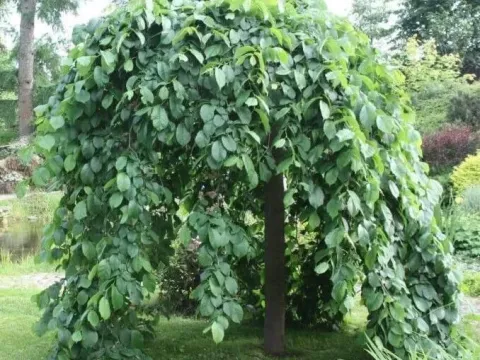
Field elm
Ulmus carpinifolia
The Field elm (Ulmus carpinifolia) is a prominent species within the Ulmaceae family, widely recognized for its robust growth and vital role in agricultural landscape management and shelterbelt formation.
What the section contains
Field elm
Native to Europe, Western Asia, and Northern Africa, this species has been extensively naturalized in various regions due to its ability to tolerate diverse environmental conditions and soil types.
The tree thrives in deep, fertile, and well-moistened soils. It is particularly valued for its tolerance to soil salinity, making it an excellent candidate for planting in areas where other species might fail to establish.
Cultivation requires sufficient space for the root system to spread, as the Field elm develops deep anchoring roots. Regular moisture during the first few years of establishment is essential for long-term health.
Management practices typically involve thinning and formative pruning. This ensures proper light penetration into the crown, which helps maintain the tree's vitality and structural integrity throughout its lifecycle.
Dutch elm disease (DED), caused by fungi in the Ophiostoma genus, represents the most severe threat to the Field elm. The infection is primarily spread by bark beetles and leads to systemic vascular failure.
Defoliating insects, such as the elm leaf beetle, can cause widespread canopy damage. Severe infestations reduce the tree's vigor and make it more susceptible to opportunistic pathogens and environmental stressors.
Canker diseases often develop on branches or trunks following mechanical injury or environmental stress. Proper tool sanitation during maintenance is critical to preventing the spread of these pathogens.
Aphids can cause honeydew buildup, which often leads to the growth of sooty mold. While not fatal, this condition can hinder photosynthetic efficiency and negatively impact the overall aesthetics of the tree.
Effective management against pests and diseases involves regular monitoring and the removal of infected wood. Integrated pest management strategies are highly recommended for the sustainable preservation of elm stands.