
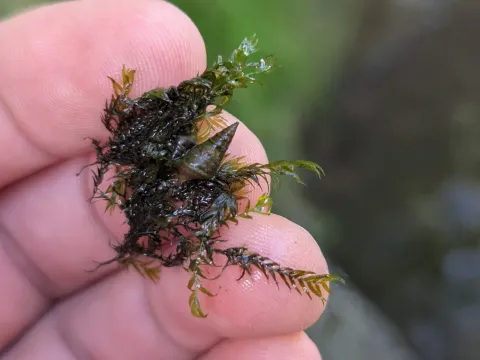
Fissidens fontanus
Fissidens fontanus
Fissidens fontanus, commonly known as Phoenix moss, is a unique aquatic plant belonging to the Fissidentaceae family. It is highly valued for its distinct feather-like fronds that create dense, lush green carpets, making it a staple in ornamental and commercial aquatic setups.
What the section contains
Fissidens fontanus
Originally native to North America, this species is naturally found in temperate flowing water bodies. It thrives by attaching its rhizoids to submerged rocks and woody debris, which defines its preference for stable, mineral-rich environments with good water circulation.
In terms of agricultural requirements, Fissidens fontanus demands clean, well-filtered water. It is relatively adaptable, performing best in temperatures ranging from 15°C to 25°C. Excessive heat must be avoided, as it can cause the plant to lose its characteristic color and structural integrity.
The cultivation technique involves providing moderate lighting and a steady supply of carbon dioxide. Since it lacks a true root system, fertilization should be delivered through the water column using specialized liquid nutrients, ensuring all essential minerals are bioavailable for absorption.
Propagation is primarily vegetative. Producers divide large mats into smaller, uniform sections, which are then fixed to mesh or stones using biodegradable threads or specialized aquatic glue until the moss naturally anchors itself and begins to grow outwards.
The primary threat to Fissidens fontanus crops is the encroachment of nuisance algae. Because the moss grows slowly, algae can easily colonize the dense foliage, suffocating the plant and outcompeting it for light and nutrients within the cultivation tank.
Biological diseases often occur when there is poor flow or excessive organic decay trapped within the moss mats. This leads to the rotting of the base layer, which can spread rapidly if not addressed through consistent pruning and removal of debris.
Pests such as certain species of snails or micro-crustaceans may graze on the soft fronds. Maintaining an environment that is not conducive to these pests, or using biological control agents like shrimp, can help mitigate damage to the crop.
Nutritional imbalances, particularly regarding iron and nitrogen levels, can cause yellowing or the thinning of the fronds. Regular monitoring of water parameters is essential to ensure the plant maintains its vibrant green appearance and high market quality.
Environmental stress, especially sudden changes in pH or water hardness, can cause the moss to shed its leaves or stop growing. Strict adherence to a balanced water maintenance schedule is the key to preventing these physiological disorders and ensuring a healthy harvest.