
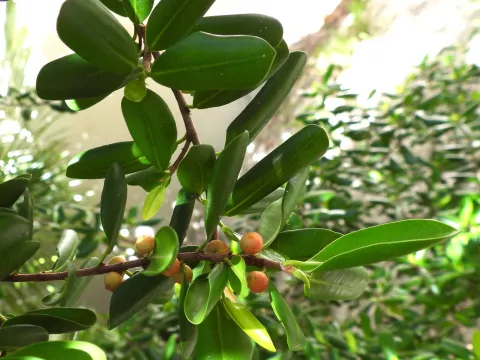
Ficus perforata
Ficus perforata
Ficus perforata is a botanical species belonging to the Moraceae family, naturally occurring in the tropical rainforest ecosystems of the Americas. This species is recognized for its distinct leaf morphology and growth habits that reflect its adaptation to a humid, competitive forest understory environment.
What the section contains
Ficus perforata
Successful cultivation requires a tropical climate with temperatures consistently above 18 degrees Celsius. The species thrives in environments where humidity levels are high, as arid conditions can lead to leaf desiccation and overall plant decline within indoor or nursery settings.
The selection of an appropriate growing medium is crucial for the health of the root system. A well-draining, aerated substrate with a slightly acidic to neutral pH is recommended to prevent waterlogging, which is a common cause of root rot in various Ficus species.
Agricultural practices for this culture emphasize the necessity of regular, moderate irrigation combined with a balanced nutritional program. Nitrogen-rich fertilizers applied during the peak growing season support the development of lush, healthy foliage and improve the plant's structural integrity.
Propagation is typically performed via stem cuttings under controlled conditions of temperature and humidity. Ensuring high sanitation standards during propagation helps to prevent the introduction of pathogens and ensures a healthy start for new plant stocks.
Typical pest pressures include common sap-sucking insects such as spider mites and scales, which thrive in low-humidity environments. Integrated pest management strategies, including regular inspections and the use of insecticidal soaps, are essential to maintain plant health.
Fungal infections, often manifested as leaf spots or stem lesions, are primarily associated with suboptimal environmental conditions or poor drainage. Managing the surrounding humidity and ensuring proper airflow are the most effective preventative measures against these pathogens.