
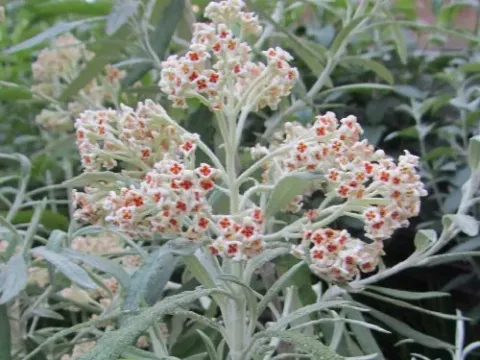
Buddleja pterocaulis
Buddleja pterocaulis
Buddleja pterocaulis is a rare woody plant species belonging to the Scrophulariaceae family, native to the mountainous regions of China, where it adapted to specific rocky ecological niches.
What the section contains
Buddleja pterocaulis
The plant is botanically distinguished by its unique winged stems, which serve as a primary aesthetic feature. It represents a specialized segment of ornamental shrub cultivation requiring precision in maintenance.
The cultivation of this species requires well-drained, nutrient-rich soils with an optimal pH balance. It is crucial to prevent waterlogging, as the root system is highly sensitive to excessive moisture.
Climate-wise, the plant thrives in temperate conditions with exposure to bright, diffused sunlight. It is essential to protect the specimen from harsh, dry winds that can damage the unique stem tissue.
Its primary agricultural and horticultural use lies in private and botanical garden collections, where it is valued for its rarity and distinct architectural form within the landscape.
Common pests affecting Buddleja pterocaulis include aphids and spider mites, which typically thrive during periods of low humidity and high thermal stress.
Fungal infections, specifically root rot and Botrytis, pose a significant threat when soil drainage is insufficient or when canopy air circulation is inadequate.
Integrated pest management strategies are recommended, focusing on maintaining plant vigor through appropriate pruning and balanced fertilization to enhance natural resistance.
In cases of infestation, systemic insecticides or fungicides are advised, ensuring that applications are conducted during early detection to prevent widespread damage.
Routine site sanitation, including the removal of leaf litter and debris around the base of the plant, is essential for reducing the inoculum density of common soil-borne pathogens.