
Buddleja farreri
Buddleja farreri
Description
Growing requirements
Buddleja farreri is a deciduous flowering shrub belonging to the Scrophulariaceae family. It is native to the mountain regions of China, where it has evolved to thrive in temperate climates with well-drained, rocky soil conditions.
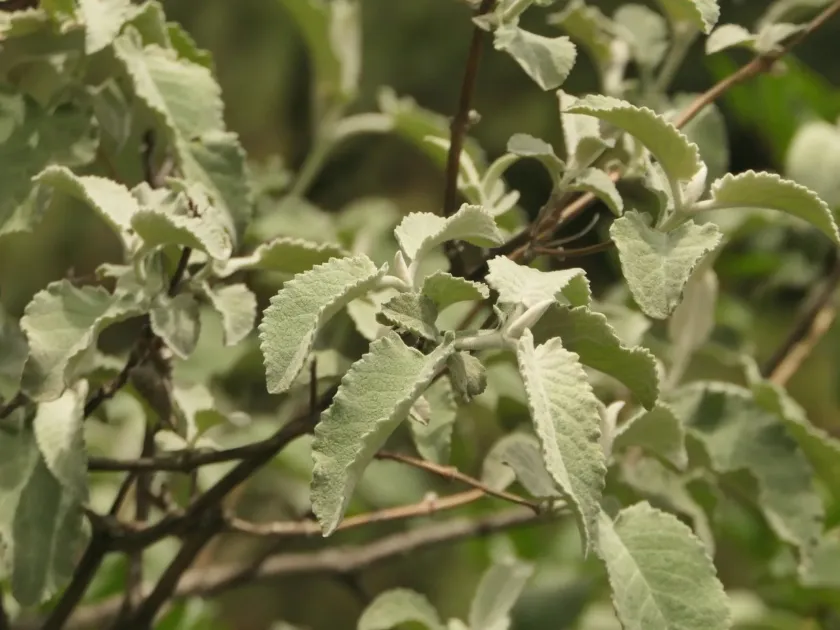
The plant is botanically distinct due to its large, woolly-pubescent leaves and early flowering season. The blooms are fragrant and typically display subtle lilac tones, making the shrub a popular choice for ornamental landscape architecture.
Regarding soil requirements, this species prefers nutrient-rich, permeable loams. It is essential to ensure excellent drainage, as the plant is susceptible to root rot if the soil remains waterlogged for extended periods.
Buddleja farreri requires full sun exposure to maintain its growth density and blooming potential. In colder regions, providing a sheltered spot protected from strong, freezing winds is critical for the survival of the shrub through winter.
Cultivation practices include regular spring pruning to remove dead wood and encourage new growth. This helps the plant maintain a compact shape and ensures that energy is redirected into the production of high-quality floral spikes.
Main diseases and pests
Common pests affecting Buddleja farreri include spider mites and whiteflies, especially during hot and dry summer months. Effective management involves using appropriate acaricides or systemic insecticides to protect the foliage.
Root rot is a major threat caused by poor soil drainage and excessive moisture. To mitigate this risk, it is important to avoid over-irrigation and to improve the soil structure by adding organic materials or grit.
Powdery mildew can occur in conditions of poor air circulation, particularly in dense plantings. Ensuring proper spacing between bushes allows for better airflow, which significantly reduces the incidence of fungal growth.
Aphids can frequently target the soft, emerging tips of the branches. Regular inspection and the application of mild horticultural soaps can often manage small infestations before they cause significant damage.
Maintaining plant vigor through balanced fertilization with phosphorus and potassium increases natural resistance. Strong, healthy shrubs are far less likely to be overwhelmed by environmental pests and diseases compared to neglected ones.