
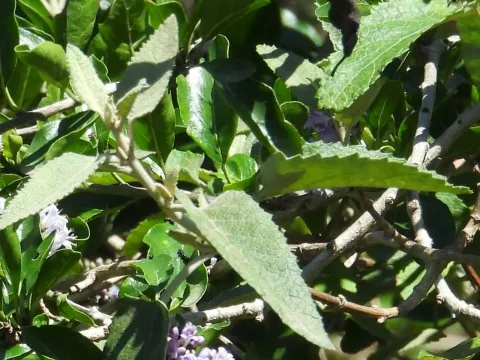
Buddleja dysophylla
Buddleja dysophylla
Buddleja dysophylla is a member of the Scrophulariaceae family, known for its vigorous growth and rapid development. It is an evergreen or semi-evergreen shrub that serves as an excellent ornamental plant in warmer climates.
What the section contains
Buddleja dysophylla
Originating from South Africa, this species thrives in environments where frost is rare or minimal. It requires full sun exposure to maintain its health and produce an abundance of flowers during the growing season.
The plant prefers fertile, well-drained soil with a slightly acidic to neutral pH. Proper soil preparation is essential to prevent waterlogging, which the root system of this species is highly sensitive to.
Agronomic management includes consistent irrigation, especially during the peak summer months, and the application of balanced fertilizers to support vigorous branch production and floral output.
Pruning is a fundamental practice for this plant, as it helps in maintaining a compact shape and encourages the growth of new flowering stems, ensuring the plant remains vigorous and attractive year-round.
Common pests that affect Buddleja dysophylla include spider mites and aphids, which are particularly prevalent during periods of hot, dry weather conditions.
Fungal issues, such as powdery mildew, may occur if the planting density is too high or if airflow around the shrub is restricted, preventing leaves from drying properly.
Integrated pest management strategies should include regular inspections and the use of insecticidal soaps or systemic pesticides when necessary to manage infestations effectively.
Root rot is a significant risk if the soil drainage is poor; thus, ensuring that the planting site provides adequate permeability is crucial for preventing disease development.
Maintaining a clean growing area by removing fallen leaves and debris helps reduce the reservoir for potential pathogens and promotes overall plant vitality.