
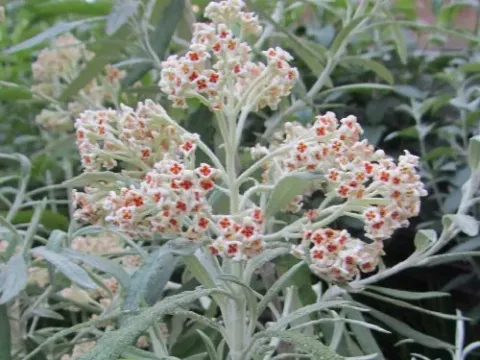
Buddleja caryopteridifolia
Buddleja caryopteridifolia
Buddleja caryopteridifolia is a perennial deciduous shrub belonging to the Scrophulariaceae family. It is native to the mountainous regions of China, exhibiting a strong adaptation to temperate climates.
What the section contains
Buddleja caryopteridifolia
The plant thrives in full sunlight exposure and requires well-draining, nutrient-rich soil. It is crucial to avoid heavy, waterlogged clays that might restrict oxygen flow to the root system.
Adequate irrigation is essential during the active growing season, although the shrub is relatively hardy once established. Mulching around the base helps retain soil moisture and suppresses weed growth.
Botanically, it is recognized for its lanceolate, often tomentose leaves and spikes of small, fragrant flowers. These inflorescences are known to be highly attractive to pollinators, specifically butterflies.
Winter maintenance involves pruning back the old wood to encourage vigorous new growth in the spring. In colder hardiness zones, providing winter protection for the root zone is highly recommended.
Common pests associated with this species include aphids and spider mites, which can proliferate quickly during hot and dry weather conditions in the summer months.
Fungal pathogens such as powdery mildew or leaf spot may develop if the air circulation around the plant is insufficient or if the foliage remains wet for extended periods.
Cultural management, including proper spacing during planting and diligent pruning, is the best strategy to minimize the risk of pest and disease outbreaks.
When chemical intervention is necessary, the use of targeted insecticides or fungicides should follow label recommendations to prevent harm to beneficial insect populations.
Regular monitoring of the plant canopy allows for early detection of issues, ensuring that the shrub remains healthy and vibrant throughout the growing cycle.