
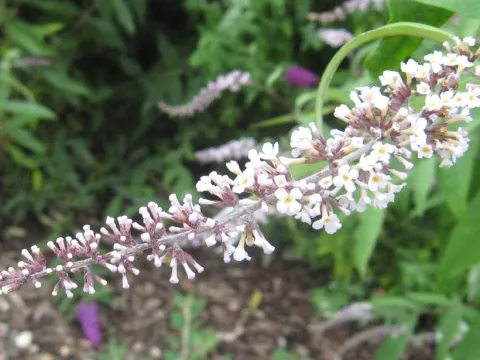
Buddleja albiflora
Buddleja albiflora
Buddleja albiflora, commonly known as the white butterfly bush, belongs to the Scrophulariaceae family. Native to the central and western regions of China, this deciduous shrub is highly valued for its elegant, slender, and arching branches that display long, fragrant inflorescences.
What the section contains
Buddleja albiflora
The culture thrives in full sun, which is essential for maximizing flower production. It prefers well-drained, fertile soil with a neutral to slightly alkaline pH. Proper soil preparation is vital, as the root system is highly susceptible to rot if allowed to sit in waterlogged conditions.
Regarding climate, the plant requires a moderate environment. While it can withstand some degree of cold, in harsh winter regions, it is necessary to apply a thick layer of mulch around the base of the plant to protect the roots from freezing, ensuring vigorous growth in the following spring.
Maintenance techniques center on systematic pruning. Pruning should be performed in early spring, cutting back last year's growth to encourage the production of long, new shoots. This practice not only keeps the shrub at a manageable size but also ensures that the plant remains healthy and floriferous.
The хозяйственное use of Buddleja albiflora is predominantly ornamental. Its ability to attract a wide variety of butterflies and bees makes it an excellent choice for ecological gardens and biodiversity projects. It serves both as a beautiful focal point and a support species for beneficial pollinators.
Common pests that may affect this plant include spider mites, aphids, and occasionally whiteflies. These insects often thrive during periods of low humidity. Keeping the foliage clean and maintaining adequate soil moisture can help reduce the susceptibility of the shrub to these common garden invaders.
Fungal diseases like root rot and powdery mildew represent the primary phytosanitary threats. To mitigate these risks, ensure that plants are spaced appropriately to allow for sufficient air circulation. Avoid overhead watering during the late evening to prevent moisture buildup on the leaves.