
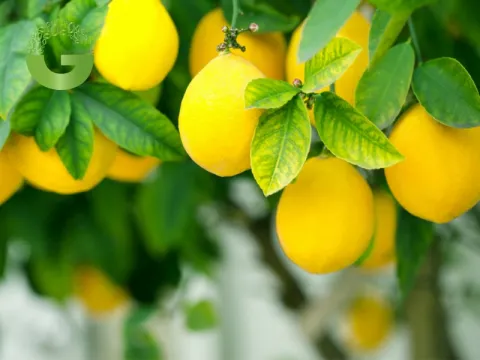
Ladu
Citrus paratangerina hort. ex Tanaka
Ladu (Citrus paratangerina hort. ex Tanaka) is a distinct citrus crop belonging to the Rutaceae family. It is a perennial evergreen plant that shares biological traits with traditional mandarins, valued primarily for its aromatic fruits and high adaptability to specific subtropical environments.
What the section contains
Ladu
Native to regions of Southeast Asia, this citrus species thrives in warm climates characterized by moderate rainfall and stable temperatures. It requires a significant number of heat units during the growing season to properly ripen its fruit and develop its characteristic flavor profile.
Successful cultivation depends on well-draining, slightly acidic soil with a pH range of 5.5 to 6.5. Because the root system is highly sensitive to waterlogging, planting in elevated beds or containers with excellent aeration is recommended to ensure long-term tree health.
Agronomic management involves a disciplined approach to irrigation and fertilization. Nitrogen-rich fertilizers are essential during the spring flush, while potassium levels should be increased during fruit development to ensure better sugar accumulation and quality.
The tree requires significant light exposure to maintain dense foliage and prevent fruit drop. In greenhouse conditions, supplemental lighting is often necessary during shorter winter days to maintain the metabolic rate and support overall plant vigor.
Ladu fruits are utilized primarily for fresh consumption and the extraction of essential oils for the fragrance and food industries. The fruit's unique chemistry allows it to serve as a high-value niche product in both local and international markets.
Common agricultural pests for this species include citrus whiteflies and aphids, which can damage new growth. Integrated Pest Management (IPM) practices, including the use of horticultural oils, are effective in maintaining tree health without damaging the fruit quality.
Pathogenic threats include fungal infections such as anthracnose, which typically affect leaves and fruit in high-humidity conditions. Proper spacing and pruning to improve air circulation are fundamental strategies for reducing the incidence of these diseases.