
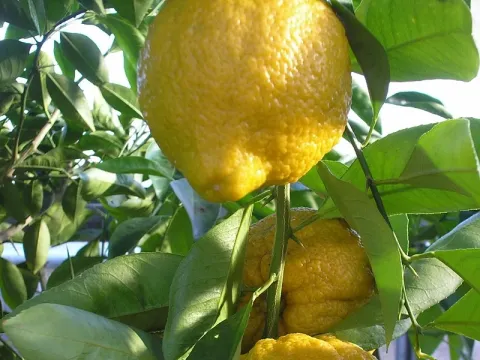
Karna
Citrus karna Raf.
Karna (Citrus karna Raf.) is a perennial tree species belonging to the Rutaceae family. Native to South Asia, this citrus variety is widely recognized for its robust growth habit and is frequently employed as a hardy rootstock in commercial citrus plantations.
What the section contains
Karna
The climate requirements for Karna include stable tropical or subtropical conditions with consistent warmth. The tree is sensitive to frost and extreme cold, requiring a greenhouse or controlled environment if cultivated in regions outside its natural habitat.
Regarding soil, the crop thrives in fertile, well-drained loamy soils. It is critical to maintain a neutral to slightly acidic pH, as extremely alkaline or acidic conditions can impede nutrient uptake and overall plant vigor.
Agronomic practices necessitate systematic irrigation, especially during the dry season, to ensure proper physiological processes. Nutrient management involves applying balanced fertilizers to support vegetative growth and fruit development.
Economically, Karna is highly valued in horticulture. Beyond its usage as a productive rootstock, its fruits are used in regional cuisines for their acidity and distinctive aromatic profile, contributing to various local products.
Common pathological threats include fungal diseases such as citrus scab and anthracnose. These infections thrive under high humidity and can cause significant damage to the leaf surface and young fruit if left unmanaged.
Pests represent a persistent challenge for Karna plantations. Citrus whiteflies, aphids, and various species of scale insects are known to infest the trees, causing foliage yellowing and decreased photosynthetic activity.
Disease management strategies rely on the maintenance of orchard hygiene, which includes pruning diseased limbs to prevent spore dispersal and ensuring adequate spacing between trees to improve airflow.
Integrated pest management (IPM) is recommended to control insect populations while minimizing the impact on beneficial insects. This includes periodic monitoring and the use of selective organic or chemical agents.
Root health is paramount; therefore, avoiding waterlogging is the primary defense against root rot diseases, which can severely compromise the systemic health of the Karna tree.