
Choisya hybrids
Choisya hybrids
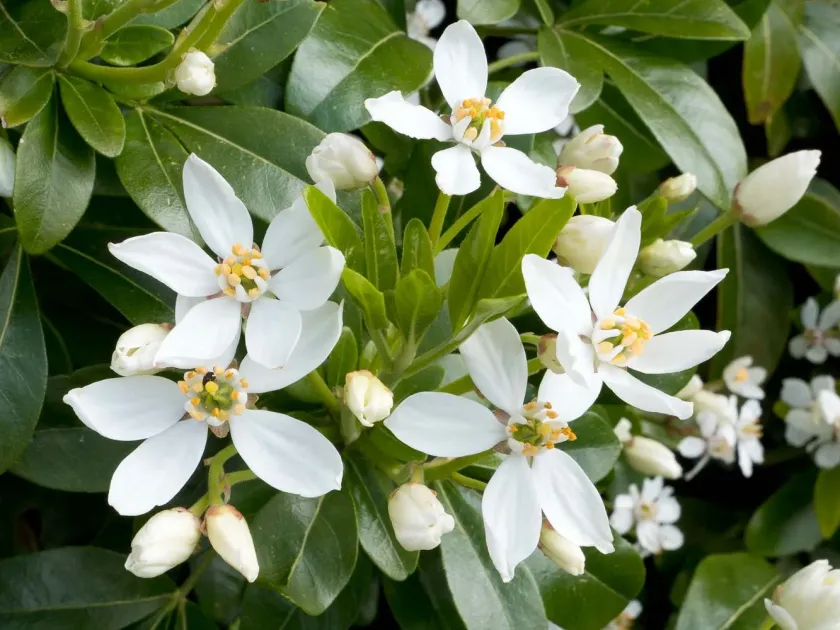
Description
Growing requirements
Choisya hybrids are popular evergreen ornamental shrubs belonging to the Rutaceae family. These plants are widely recognized for their glossy, aromatic foliage and fragrant white flowers, which bloom profusely during the spring season.
The origins of these hybrids can be traced back to the species native to Mexico. Because of their botanical characteristics, they thrive in mild maritime climates where they are frequently used as architectural plants in landscape design.
To cultivate these shrubs effectively, a well-drained soil with a slightly acidic to neutral pH is essential. They are highly intolerant of waterlogged conditions, which can lead to rapid root decay, making soil preparation and drainage a primary task before planting.
The culture requires a location with plenty of sunlight to ensure robust growth and prolific flowering. However, in regions with very hot summers, partial shade during the hottest part of the day can help maintain the health and color of the leaves.
Routine care involves consistent irrigation during dry spells and the application of balanced fertilizers during the growth phase. Pruning is typically performed after the flowering period to maintain a compact, rounded form and to remove any dead or crossing branches.
Main diseases and pests
Root rot remains the most significant threat to the health of Choisya hybrids, often caused by poor drainage or overwatering. Maintaining a proper watering cycle is critical to ensuring the longevity of the plant in the landscape.
Pests such as aphids and spider mites can occasionally affect the plant, particularly in sheltered or greenhouse environments. Regular inspection and the use of insecticidal soaps or horticultural oils can help manage these infestations.
Fungal diseases like powdery mildew may occur if air circulation is insufficient within the dense canopy of the shrub. Pruning for better airflow is an effective cultural practice to reduce the incidence of these pathogens.
Nutrient deficiencies, specifically iron chlorosis, can manifest as yellowing leaves while the veins remain green. This is usually corrected by improving soil composition or applying chelated iron supplements to restore chlorophyll production.
Cold stress can also affect younger or less established specimens, leading to leaf scorch or dieback. Protecting plants from harsh, desiccating winds during the winter months is recommended to minimize cold damage in borderline climates.