
Lemon
Citrus limon (L.) Burm. x C. aurantiifolia (Christm.) Swing.
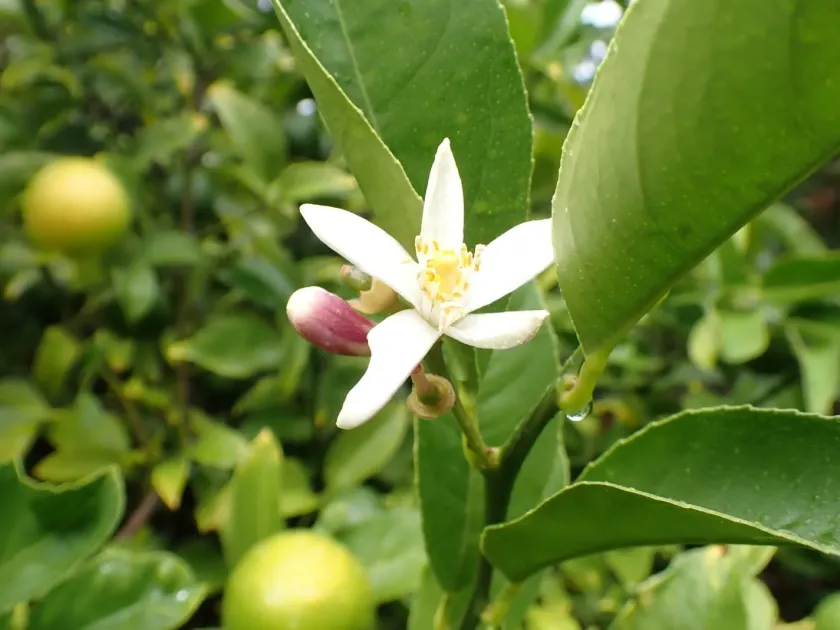
Description
Sowing dates
Lemon (Citrus limon) belongs to the Rutaceae family. In commercial agriculture, it is propagated vegetatively through budding or grafting to ensure true-to-type fruit characteristics.
The choice of rootstock, such as sour orange or trifoliate orange, is critical for adapting the lemon tree to specific soil types and disease resistance.
Planting is best performed in early spring, once the soil has warmed up and the risk of frost has passed, ensuring rapid root development.
When propagating via cuttings, a controlled environment with high humidity and bottom heat is required for successful rooting of the young shoots.
Spacing between trees must be managed carefully in orchard settings to ensure adequate airflow and light penetration throughout the canopy.
Growing requirements
Lemons thrive in subtropical climates with plenty of sunlight; they require at least 6–8 hours of direct light daily for optimal growth and flowering.
The trees prefer well-drained, fertile soil with a slightly acidic pH, typically ranging between 5.5 and 6.5, which prevents micronutrient deficiencies.
Adequate irrigation is essential, especially during the fruit-set and development stages, though waterlogging must be avoided to prevent root rot.
Lemon trees are sensitive to sudden temperature drops; protection from strong winds and frost is necessary in cooler regions.
Regular fertilization with high-quality NPK ratios, supplemented with micronutrients like magnesium and iron, is vital for maintaining leaf health.
Yield
Grafted lemon trees usually begin bearing fruit within 3 to 4 years, whereas trees grown from seeds may take significantly longer to reach maturity.
Peak production is typically achieved once the tree is mature, generally around 7–10 years after planting, depending on the specific cultivar.
A well-maintained mature lemon tree can produce anywhere from 50 to several hundred fruits annually, depending on tree size and cultural practices.
Proper pruning practices, specifically thinning the center of the canopy, enhance light distribution and promote better yield density.
Consistent moisture management and balanced nutrient application are the primary drivers for achieving high-quality, high-volume harvests.
Main diseases and pests
Common pests affecting lemon trees include spider mites, aphids, scale insects, and mealybugs, all of which thrive in various environmental conditions.
Fungal diseases such as anthracnose, citrus scab, and gummosis are significant threats that can damage foliage, branches, and fruit quality.
Citrus tristeza virus remains a major concern, necessitating the use of certified virus-free rootstocks and strict orchard management protocols.
Integrated pest management (IPM) strategies, including biological control agents and targeted chemical applications, are standard in modern orchards.
- Sanitary pruning of infected branches.
- Monitoring for early signs of infestations.
- Applying copper-based fungicides for fungal control.
Harvesting
Harvesting is performed manually by clipping the fruit with a small portion of the stem to protect the peel from damage.
Lemons are harvested when they reach the desired size and color; they do not require full yellow coloration to be considered ready for harvest.
Once harvested, lemons should be kept in a cool, ventilated area to minimize dehydration and extend their shelf life significantly.
Handling during the harvest process must be gentle, as skin punctures provide entry points for post-harvest pathogens and mold.
Commercial lemon storage is ideally conducted at temperatures around 6–8 degrees Celsius to preserve freshness and vitamin content.